Plan a Family Theme Park Road Trip That Works

Plan a Family Theme Park Road Trip That Works
A well-planned family theme park road trip is defined by three decisions made before you book anything: your goals, your budget, and your daily driving limits. Families who skip this sequence end up overspending and burning out by day three. A 10-day multi-park vacation can total around $10,530 including flights, hotels, dining, and skip-the-line passes. That number makes the case for planning every dollar before you choose a single park. This guide gives you a practical framework to build a trip your family will actually enjoy from start to finish.
How to plan a family theme park road trip the right way
The biggest mistake families make is choosing dates before defining goals and budget. That single misstep leads to stress, overspending, and a trip that feels rushed. The fix is reverse planning: start with purpose, then budget, then dates, then parks.
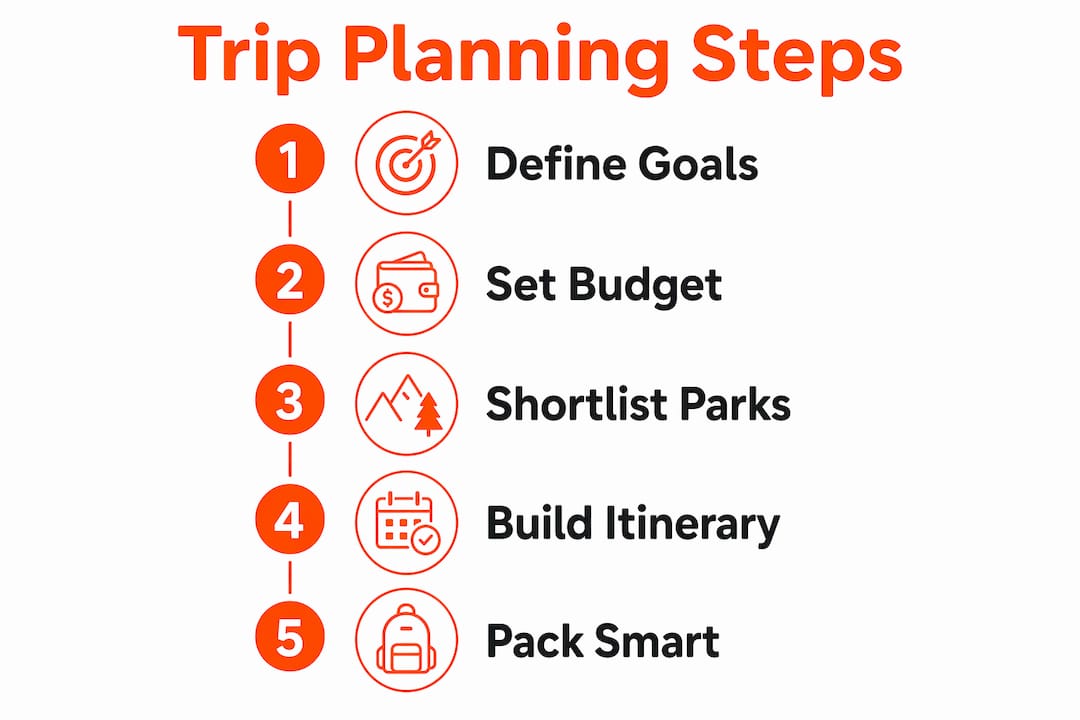
Step 1: Define your trip goals
Your goals shape every other decision. Ask your family these questions before opening a single booking site:
- Are you chasing thrills, or is this about bonding and making memories?
- Do you want one major park or a multi-park road trip covering several cities?
- Is budget the top priority, or is comfort and convenience worth paying more for?
- How many days can everyone realistically handle before needing a break?
The answers tell you which parks to shortlist, how many park days to schedule, and how much flexibility to build in. A family focused on value will make very different choices than one focused on maximizing rides.
Step 2: Set a hard budget cap early
A 4-day theme park trip for a family of four in Orlando costs $2,400 to $3,000 for tickets alone. That figure does not include food, gas, lodging, or souvenirs. Set your total trip budget before you look at ticket prices. Then work backward: allocate percentages to transportation, lodging, food, tickets, and extras. This prevents the common trap of buying tickets first and running short on everything else.
Pro Tip: Write your budget cap on paper and share it with every adult on the trip. Accountability keeps impulse spending in check at park gift shops.
Step 3: Shortlist parks based on goals and budget
Once you know what you want and what you can spend, narrow your park list to three or four realistic options. Factor in drive time between parks, ticket costs, and age-appropriate attractions for your kids. A park that looks great online may not fit a family with toddlers or teens with opposite interests.
How to build a balanced itinerary for your family
Structure is the difference between a trip that energizes your family and one that exhausts them. Alternating intense park days with lighter activities or rest days prevents sensory overload and keeps kids engaged across a long road trip.
Here is a practical day-by-day structure that works for most families:
- Travel day. Drive no more than 3–4 hours. Stop at a roadside attraction or state park to break up the drive. Arrive at your first overnight stop by early evening.
- Light arrival day. Explore the area around your first park. Walk the hotel grounds, swim, or visit a local spot. Save your energy for the next morning.
- Full park day. Arrive 45–60 minutes before the park opens. Front-loading your busiest park day at rope drop lets you hit top rides before crowds build.
- Half park day plus rest. Spend the morning at the park, then return to the hotel by early afternoon. Rest, swim, or explore a low-key local area.
- Drive day. Move to your next destination. Keep driving to 3–4 hours maximum. Build in two planned stops.
- Repeat the park and rest cycle for each destination on your route.
Pro Tip: Set a daily “success metric” for each park day, like completing your top five rides. Daily success metrics keep the family motivated and prevent the disappointment of feeling like you “didn’t do enough.”
Always build a backup plan for weather or unexpected closures. Identify one indoor attraction near each park stop before you leave home. This removes the stress of scrambling when plans change.

What are the best times to visit theme parks?
Timing your trip correctly saves money and cuts wait times significantly. The best windows to visit are mid-january to early march, late april to early june, and mid-september to mid-november. These periods avoid major school holiday rushes and offer more predictable weather at most major park destinations.
Key timing rules to follow:
- Avoid summer peak weeks. Late june through mid-august brings the longest lines and highest ticket prices at nearly every major park.
- Skip major holiday windows. Thanksgiving week, spring break, and the week between Christmas and New Year’s are the most crowded periods of the year.
- Book tickets and hotels months in advance. Early booking secures better prices and guarantees availability, especially for popular routes and parks during shoulder seasons.
- Check park-specific calendars. Many parks publish crowd calendars. Use them to identify the lightest days within your travel window.
Booking early is not just about price. Popular parks sell out specific date tickets weeks or months ahead. Waiting until the last minute means paying more or missing your preferred dates entirely.
What should you pack for a multi-park road trip?
Packing for a theme park road trip is different from packing for a beach vacation. Seasoned travelers pack specifically for parks: blister cushions, portable phone chargers, rain ponchos, and small bags allowed on rides. Each item solves a real problem you will face by day two.
Your core packing list:
- Blister cushions and comfortable shoes. You will walk 8–12 miles on a full park day. Blisters end park days early.
- Portable phone charger. Park apps, mobile tickets, and photos drain batteries fast. Carry at least a 10,000mAh power bank.
- Rain ponchos. Compact and cheap. Far better than buying overpriced ponchos inside the park.
- Small crossbody bag or fanny pack. Most rides allow small bags. Large backpacks often require a locker.
- Reusable water bottle. Most parks have free water refill stations. This saves $5–$10 per person per day.
- Sunscreen and hats. Outdoor parks offer limited shade. Reapply every two hours.
- Snacks for the car. Stock the van with easy snacks for drive days to avoid expensive highway stops.
Pro Tip: Download each park’s official app before you leave home. Mobile tickets, virtual queue access, and dining reservations all live inside the app. Trying to set this up at the gate wastes time.
For car organization, use a hanging seat-back organizer for kids’ items and a cooler for drinks and snacks. Label each family member’s bag so nothing gets mixed up at the hotel.
How can families choose the best transportation and lodging?
Transportation and lodging decisions directly affect your daily budget and your family’s comfort level. Van rentals provide spacious, cost-effective transportation for families or groups covering multiple parks on a single road trip. A van keeps everyone together, eliminates the cost of two separate rental cars, and gives you room for luggage, strollers, and gear.
| Factor | Van rental | Two separate cars |
|---|---|---|
| Seating capacity | 7–15 passengers | 4–5 per car |
| Luggage space | Large cargo area | Split across two trunks |
| Fuel cost | One vehicle | Two vehicles |
| Group coordination | Everyone travels together | Risk of separation |
| Parking cost | One spot | Two spots |
Myvanrentals operates city-specific fleets in Orlando, Miami, and Los Angeles. Each location is managed by a local team that knows the best routes to major parks and can offer practical recommendations. For families visiting multiple parks across these cities, this local knowledge saves time and removes guesswork.
For lodging, book hotels within 10–15 minutes of each park. This lets you return for afternoon rest without losing half the day to driving. On drive days between destinations, book overnight stops roughly halfway along your route to keep daily driving under four hours.
Renting a passenger van over multiple cars also simplifies group decisions. One driver, one GPS, one parking spot. Families consistently report less stress when everyone rides together.
Key takeaways
A successful family theme park road trip requires reverse planning: define goals and budget before choosing dates, parks, or transportation.
| Point | Details |
|---|---|
| Plan goals before dates | Define trip purpose and budget cap before booking anything to avoid overspending. |
| Time your visit strategically | Mid-january to early march and mid-september to mid-november offer the best crowd and price balance. |
| Build rest days into the itinerary | Alternate full park days with lighter activities to prevent burnout across a long road trip. |
| Pack for the park specifically | Blister cushions, portable chargers, rain ponchos, and small bags improve comfort and save money. |
| Choose transportation that fits your group | A van rental keeps families together, cuts costs, and provides space for gear on multi-park trips. |
What I have learned from planning these trips
Planning family theme park road trips looks straightforward on paper. The reality is messier, and the mistakes families make are almost always the same ones.
The most common error I see is over-scheduling. Families pack eight park days into a ten-day trip and wonder why everyone is miserable by day six. Kids hit a wall. Adults get short-tempered. The trip stops being fun and starts feeling like a checklist. Two rest days built into a ten-day itinerary are not wasted days. They are the reason the last two park days are still enjoyable.
The second mistake is underestimating drive time with kids. Three hours in a van with young children is not the same as three hours alone. Plan for it to take longer. Build in stops you actually want to make, not just gas stations. A roadside attraction or a state park overlook takes twenty minutes and resets everyone’s mood.
The third thing I have learned is that the families who enjoy these trips the most are the ones who let go of “doing it all.” Pick your top three priorities at each park. Do those first. Everything else is a bonus. That mindset shift changes the entire emotional tone of the trip.
Early planning is not optional on a multi-park road trip. Tickets sell out. Hotels near popular parks fill up months in advance. The families who book four to six months ahead have more choices, better prices, and far less stress in the weeks before departure.
— Gabriel
Myvanrentals makes the logistics easier
Figuring out how to move a family of five or more between Orlando, Miami, and Los Angeles without splitting into two vehicles is one of the most practical problems on a multi-park road trip.
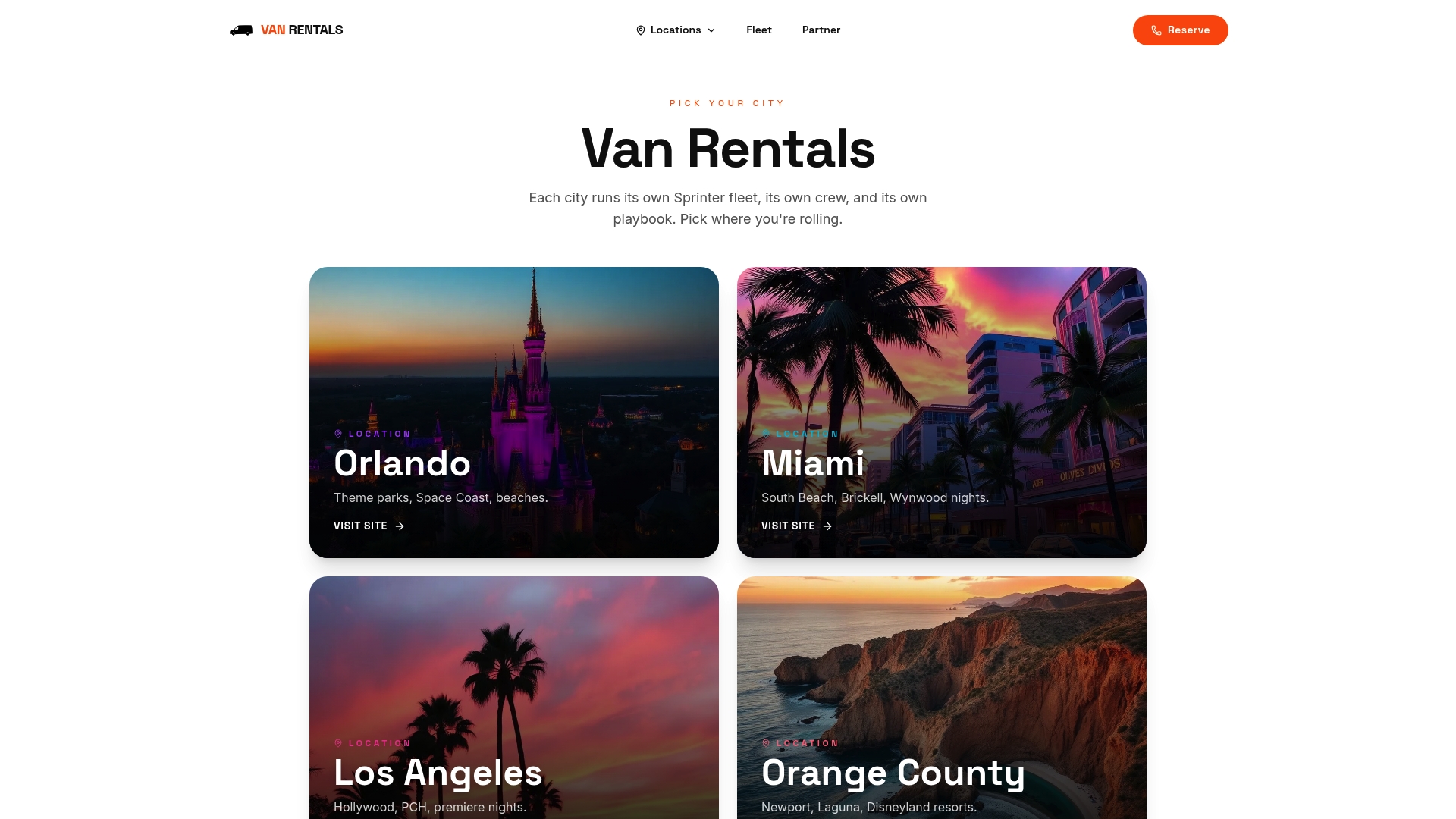
Myvanrentals offers van rentals built for exactly this situation. Their city-specific teams in Orlando, Miami, and Los Angeles know the fastest routes to major parks and can point you toward parking, drop-off zones, and local stops worth making. You get one vehicle, one parking spot, and enough room for everyone’s gear. Browse van options by city and book early to secure the vehicle size your family needs. Availability fills up fast during peak travel windows, so locking in your rental months ahead is the practical move.
FAQ
How much does a family theme park road trip cost?
A 4-day Orlando trip for a family of four costs $2,400 to $3,000 in tickets alone. A full 10-day multi-park vacation totals around $10,530 when you include flights, hotels, dining, and passes.
What is the best time of year to visit theme parks?
Mid-january to early march, late april to early june, and mid-september to mid-november offer the best combination of lower crowds and reasonable prices. Avoid summer peak weeks and major school holidays.
How many hours should you drive per day with kids?
Limit daily driving to 3–4 hours when traveling with young children. Plan two or more stops along each drive day to maintain energy and reduce frustration.
Should you rent a van for a family theme park road trip?
A van rental is the most practical option for groups of five or more. It keeps everyone together, provides storage for gear and strollers, and costs less than renting two separate vehicles.
How far in advance should you book theme park tickets?
Book tickets and hotels at least four to six months before your trip. Popular parks sell out specific date tickets well in advance, and early booking consistently delivers better prices.