Rent a Van for Your Group Beach Trip and Save

Rent a Van for Your Group Beach Trip and Save
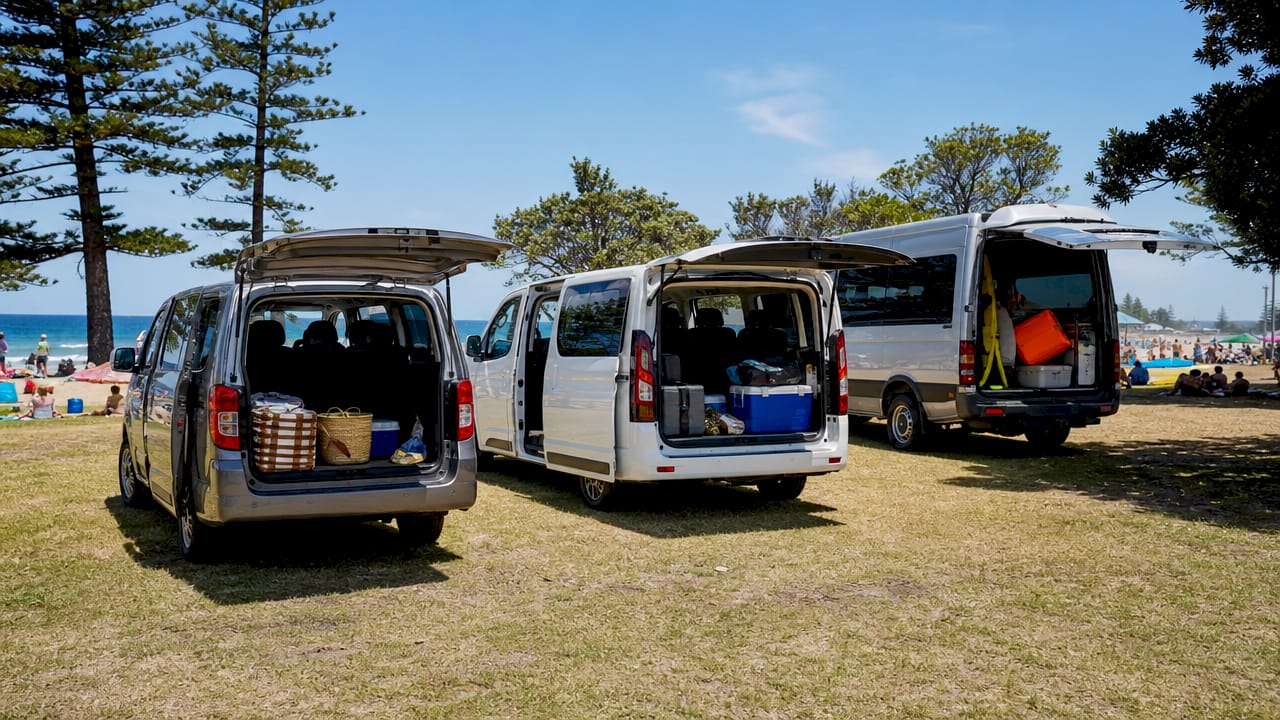
Group van rental is the most cost-effective and practical way to move six or more people to a beach destination together. When you rent a van for a beach trip group, you split fuel, tolls, and rental costs across every seat, which cuts individual travel expenses sharply. A single 12-passenger van replaces three separate cars, eliminates convoy coordination, and keeps the whole group together from departure to arrival. Myvanrentals operates city-specific fleets in coastal markets like Miami, Orlando, and Los Angeles, giving groups access to beach-ready rental vans with local route knowledge built in.
How to rent a van for a group beach trip
The right van for your group depends on passenger count, luggage volume, route constraints, and parking limitations at your destination, not just seat count. That distinction matters more than most groups realize. A 9-passenger van with eight adults and a full load of beach gear may feel tighter than a 12-passenger van carrying six people with surfboards and coolers.
Van size options and what they carry
Rental vans typically fall into four capacity categories:
- 7-passenger minivans (e.g., Chrysler Pacifica, Toyota Sienna): Best for families with moderate luggage. Cargo space behind the third row is limited, so pack light.
- 9-passenger passenger vans (e.g., Ford Transit, Mercedes-Benz Metris): A solid middle ground for groups of 6–8 with beach gear. The rear bench folds or removes for extra cargo room.
- 12-passenger vans (e.g., Ford Transit 350, Ram ProMaster): The most popular choice for large friend groups. Enough room for coolers, chairs, umbrellas, and bags without cramming.
- 15-passenger vans (e.g., Ford E-350): Maximum capacity, but harder to park at coastal destinations. Check garage height and length limits before booking.
Pro Tip: Ask the rental company for the exact vehicle dimensions before you confirm. Oversized vans may not fit in standard hotel parking garages, and discovering that on arrival wastes time and adds stress.
For groups bringing surfboards, kayaks, or paddleboards, a van with a roof rack or the option to add a cargo carrier is worth the extra daily cost. Keeping bulky gear on the roof preserves cabin comfort and reduces the temptation to stack items in the aisle.
When should you book a van rental for the beach?
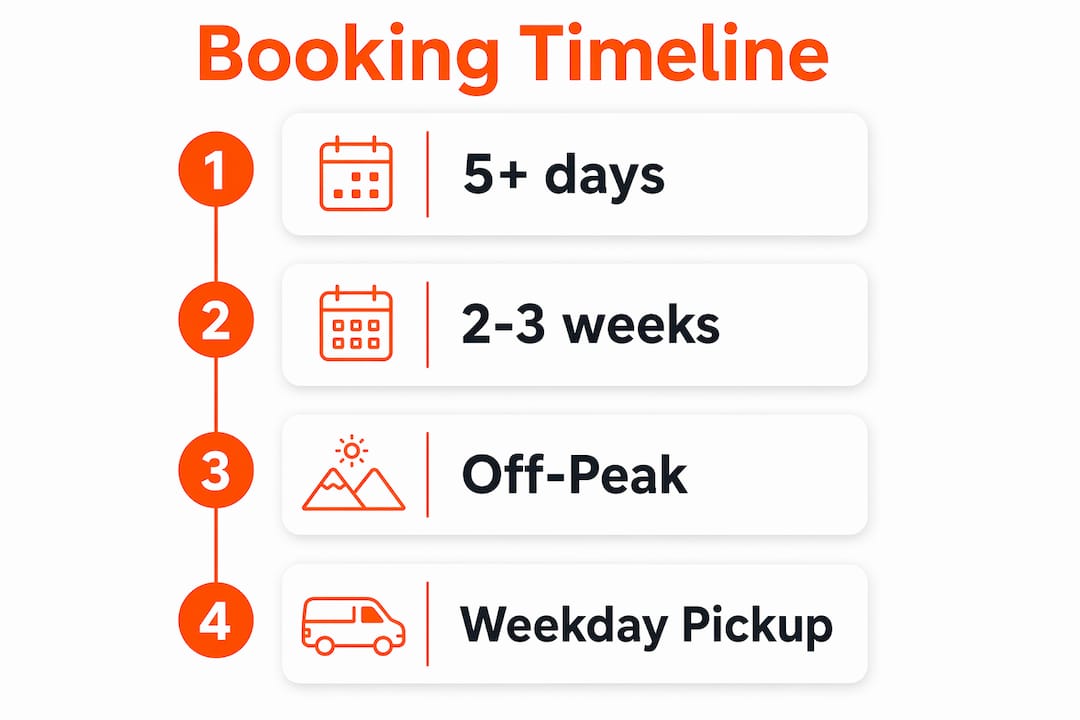
Booking timing directly controls what you pay. Van rental pricing in coastal markets like Pompano Beach averages $135 per day, but that number swings from $54 in october to $176 in february depending on demand. Booking at least five days in advance lowers your rate in most markets. Last-minute reservations during peak summer weekends often return zero availability or inflated pricing.
Weekly rates offer better value than daily rates for trips of five or more days. The average weekly van rental rate in coastal Florida markets runs around $948, which works out to roughly $135 per day. For a group of eight splitting that cost, the per-person daily expense drops to under $17 before fuel.
Off-peak booking is the single fastest way to cut group travel costs without sacrificing vehicle quality. Shoulder months like may, september, and october offer the same vans at significantly lower rates with better availability.
Key booking practices that protect your group:
- Reserve early. Five days minimum; two to three weeks ahead for summer and holiday weekends.
- Compare daily vs. weekly rates. Weekly pricing often undercuts daily rates by a meaningful margin on longer trips.
- Read the cancellation policy. Flexible cancellation matters when group plans shift.
- Confirm the driver’s license requirement. Standard driver licenses cover most passenger vans under 3.5 tons, so no special license is needed for the common sizes.
- Check mileage limits. Some rentals cap daily miles, which adds up fast on long coastal drives.
Pro Tip: Search weekday pickup dates. Picking up your van on a Tuesday or Wednesday instead of Friday often returns lower base rates, even for the same rental period.
| Booking timing | Typical outcome |
|---|---|
| 2–3 weeks ahead (off-peak month) | Lowest rates, full vehicle selection |
| 5–14 days ahead | Moderate rates, good availability |
| 1–4 days ahead (peak season) | High rates, limited van sizes |
| Same day (summer weekend) | Very high rates or no availability |
How to pack and load a group beach van
Efficient loading makes the difference between a comfortable ride and a chaotic one. Place the heaviest items, coolers, water jugs, and packed bags, on the floor of the cargo area rather than on seats or in overhead spaces. Low and centered weight keeps the van stable and reduces shifting on highway curves.
- Assign seats before departure. Decide who sits where before anyone loads gear. Mixing seating and loading at the same time creates confusion and delays.
- Load gear from heaviest to lightest. Coolers go in first, closest to the rear doors. Soft bags and towels fill gaps and go in last.
- Keep frequently used items accessible. Sunscreen, snacks, and a first aid kit belong in a bag near the front, not buried under camping chairs.
- Use a roof box for bulky gear. Roof boxes increase cargo capacity significantly while keeping the cabin clear. Check height restrictions at your hotel or parking garage before attaching one.
- Protect the interior. Waterproof seat covers and washable floor mats handle wet swimsuits and sandy feet without damaging the rental vehicle. Avoiding damage charges is part of managing group trip costs.
Pro Tip: Bring a set of bungee cords or cargo straps. Loose gear sliding around during braking is both annoying and a safety issue. Tie down anything that can move.
Parking, permits, and beach access for large vans
Parking a large van at a beach destination takes more planning than parking a sedan. Many coastal cities restrict oversized vehicles from certain lots, and larger passenger vans can trigger additional parking fees or be limited to designated zones even when no formal permit is required. Plan for this before you arrive.
“Even when beach permits are not legally required, larger vans often trigger extra parking fees and are restricted during peak times. Alternate parking strategies are not optional. They are part of the plan.”
Practical steps to avoid parking problems:
- Check the destination’s vehicle size rules. Many beach towns post oversized vehicle restrictions on their parks and recreation websites.
- Identify a drop-off zone. Drop passengers and gear at the beach access point, then park the van in a nearby lot or street space that fits the vehicle’s length.
- Confirm hotel parking clearance. Call the hotel directly and ask for the garage height and length limits. Do this before you book the hotel, not after.
- Budget for parking fees. Coastal parking in cities like Miami or Los Angeles can run $20–$40 per day for large vehicles. Factor that into your group cost split.
- Have a backup lot identified. Know the nearest public lot or street parking area in case your primary spot is full or restricted.
Common mistakes when renting a van for beach groups
Most group van rental problems are predictable and avoidable. The most frequent mistake is underestimating luggage volume. Groups often count seats correctly but forget that eight people bring eight bags, plus shared gear like tents, chairs, and coolers. A van that seats 12 does not necessarily carry 12 people’s worth of beach equipment comfortably.
- Misjudging cargo space. Measure your gear before booking. If the group is bringing surfboards or large coolers, confirm the van’s cargo dimensions with the rental company.
- Ignoring seasonal pricing. Booking in peak months without checking off-peak alternatives costs the group real money. A june booking in a coastal market can cost three times an october booking for the same vehicle.
- Skipping insurance review. Read what the rental insurance covers before you decline or accept it. Personal auto insurance often does not extend to rental vans above a certain weight class.
- Attempting beach driving unprepared. Rental vans are generally not rated for soft sand recovery using factory tie-down points. Factory tie-downs are not designed for vehicle recovery, and using them that way can void your insurance. Stick to hard-packed sand or paved beach access roads.
- Not confirming the driver list. Most rental agreements require all drivers to be listed at booking. Adding a driver on the road often costs extra or is not permitted.
Pro Tip: Take timestamped photos of the van’s exterior and interior before you drive off the lot. This protects you from being charged for pre-existing damage when you return the vehicle.
Key takeaways
Renting a van for a group beach trip saves money, simplifies logistics, and keeps everyone together, but only when you choose the right size, book at the right time, and plan for beach-specific parking and loading challenges.
| Point | Details |
|---|---|
| Match van size to total load | Count passengers and gear together, not passengers alone, before selecting a van size. |
| Book at least 5 days ahead | Advance booking lowers rates and secures availability, especially in peak coastal markets. |
| Use off-peak timing | Shoulder months like september and october cut daily van rental costs significantly. |
| Plan parking before arrival | Identify drop-off zones and backup lots for large vans at coastal destinations. |
| Protect the interior | Waterproof covers and cargo straps prevent damage charges and keep the cabin organized. |
What I’ve learned from planning group van trips to the beach
Groups consistently underestimate two things: how much gear they actually bring, and how much parking logistics matter at coastal destinations. I’ve seen well-organized groups book the right van, pack efficiently, and then spend 45 minutes circling a beach lot because nobody checked the vehicle length restrictions in advance.
The group van rental basics are straightforward once you treat the trip as a logistics project rather than a spontaneous adventure. That shift in mindset is what separates groups that arrive relaxed from groups that arrive frustrated.
My honest recommendation: book two weeks out for any summer coastal trip, go one van size larger than you think you need, and call the hotel parking desk before you finalize anything. The extra van capacity costs less than the stress of cramming gear into a vehicle that’s technically full. And the parking call takes three minutes but can save you an hour of scrambling on arrival day.
One more thing most guides skip: check whether your destination has beach driving access at all. Some Florida and California beaches allow permitted vehicle access on hard-packed sand. Most do not. Knowing this before you arrive determines whether you need a drop-off plan or a parking plan. They are not the same thing.
— Gabriel
Myvanrentals makes group beach van booking straightforward
Planning a beach trip for a group is already a lot to coordinate. Finding the right van should not add to that workload.
Myvanrentals offers a wide selection of spacious passenger vans in coastal cities including Miami, Orlando, and Los Angeles. Each city’s fleet is managed by a local team that knows the routes, the parking rules, and the best beach access points. Pricing is transparent, rental durations are flexible, and the booking process is direct. Whether your group needs a 9-passenger minivan for a weekend or a 12-passenger van for a week, you can find your city and confirm your van in a few steps. No guesswork on vehicle fit or local logistics.
FAQ
How far in advance should I book a van for a beach trip?
Book at least five days ahead to secure lower rates. For summer weekends and holiday periods, two to three weeks in advance is the safer target.
What van size works best for a group of 8 with beach gear?
A 12-passenger van gives a group of eight enough room for passengers and full beach gear without overcrowding. A 9-passenger van works if the group packs light.
Do I need a special license to rent a passenger van?
Standard driver licenses cover most passenger vans under 3.5 tons. No commercial or special license is required for the common 9-passenger and 12-passenger sizes.
Can I drive a rental van on the beach?
Most rental vans are not rated for soft sand driving, and factory tie-down points are not designed for vehicle recovery. Stick to paved or hard-packed beach access roads to avoid damage and insurance issues.
How do I handle parking a large van at a beach destination?
Use a drop-off zone at the beach entrance, then park in a nearby lot that fits the van’s dimensions. Call ahead to confirm parking clearance at your hotel and identify a backup lot before you arrive.