Big White Van: Images, Specs & Rental Guide
Big White Van: Images, Specs & Rental Guide
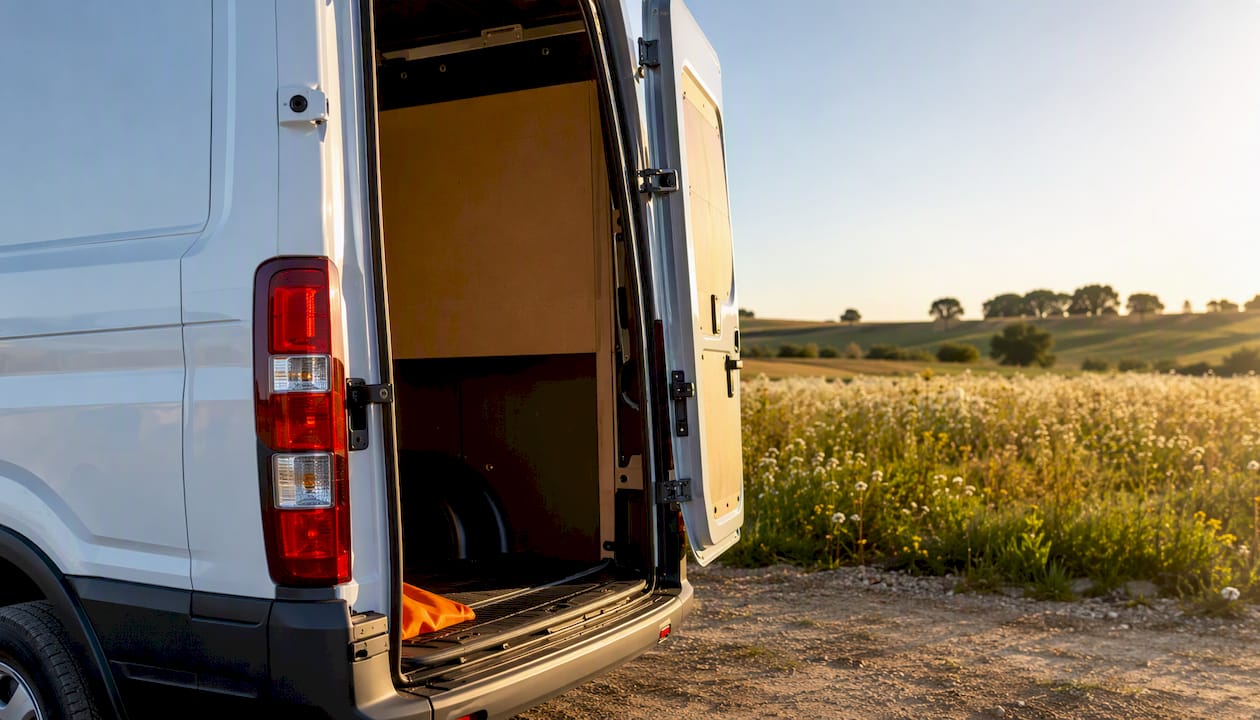
A “big white van” is the common shorthand for a full-size commercial or passenger van. In the U.S., that usually means one of four vehicles: the Ford Transit, Mercedes-Benz Sprinter, Ram ProMaster, or Chevrolet Express/GMC Savana. These vans come in cargo, passenger, and upfit-ready configurations, and white is the factory default for most commercial fleets.
Two quick ways to spot one: the tall, boxy silhouette (often 6–9 feet high) and the blank white body panels that serve as a brandable canvas for decals and signage.
Your next steps:
- See images: Manufacturer media galleries (Ford, Mercedes-Benz, Ram) carry free press photos for editorial use.
- Compare specs: Jump to the size table below for cargo volume and dimension ranges.
- Rent one: Check Myvanrentals for city-specific fleet availability and quick online booking.
Table of Contents
- Why do so many people use big white vans?
- Common U.S. models and how they differ
- How big are these vans? Dimensions, cargo volume, and roof heights
- What does a big white van cost to buy or rent?
- Where to find photos of big white vans
- Upfitting options and fleet best practices
- Which van should you pick for your job?
- Key Takeaways
- The van that actually fits the job
- Ready to book a big white van for your group or event?
- Useful sources
- FAQ
Why do so many people use big white vans?
Full-size white vans show up everywhere, from construction sites to airport pickup lanes, for five practical reasons.
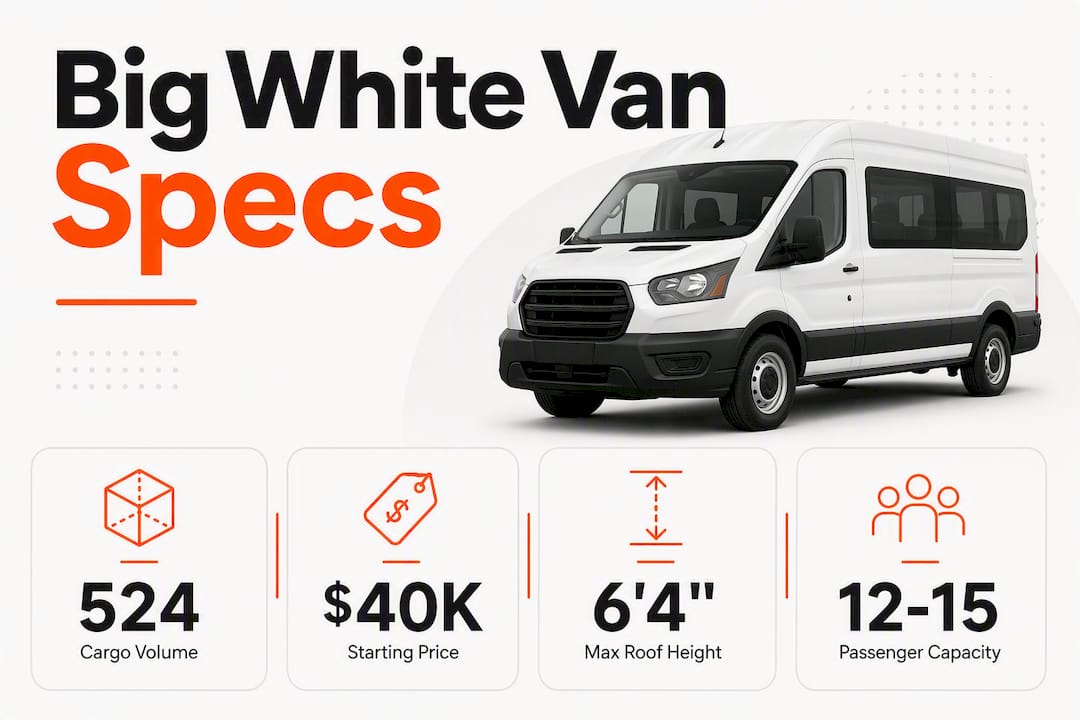
- Cargo capacity. Full-size vans carry between 250 and 524 cubic feet of cargo depending on configuration, far more than a pickup truck bed.
- Professional image for deliveries and removals — White paint is a neutral, high-contrast base for vinyl decals. In the UK, “big white van” is even used as a business name by removal companies, reflecting how strongly the vehicle is associated with professional logistics.
Pro Tip: If you need temporary event branding, white factory paint (Ford calls it “Oxford White”) is the easiest surface for removable vinyl wraps. Ask your rental provider whether their vans carry existing decals before you book.
Common U.S. models and how they differ
Four models dominate the “big white van” category in the U.S. They share the same general silhouette but differ in drivetrain, interior layout, and aftermarket support.
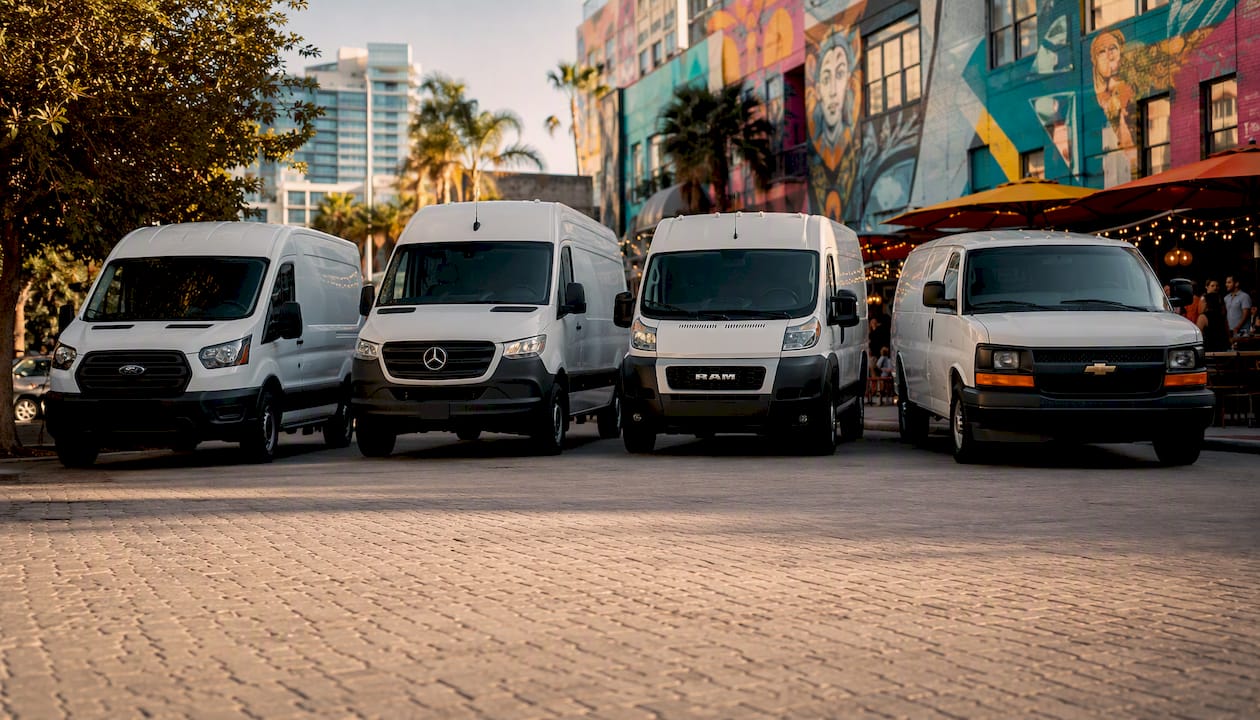
Ford Transit is the most configurable option on the market. Ford Pro’s fleet overview lists three roof heights, three wheelbases, and both cargo and passenger body styles. AWD is available, and the Transit has the deepest aftermarket upfitting ecosystem of any van in this class. Modern trims include driver-assist features such as pre-collision assist and a 360-degree camera.
Mercedes-Benz Sprinter is the benchmark for high-roof work and luxury conversions. Its tall interior (up to 6’4" standing height) makes it the go-to for trades needing standing workspace and for luxury passenger builds. RWD and AWD variants are available.
Ram ProMaster leads the class in cargo volume. Ram markets it with up to 524 cubic feet of cargo space in its largest configuration. It uses a front-wheel-drive layout, which lowers the floor and makes loading easier. No AWD option is offered.
Chevrolet Express / GMC Savana is the traditional American full-size van. It runs a rear-wheel-drive V8 or V6 powertrain and is widely available in 12- and 15-passenger configurations. The platform is older but parts and service are easy to find nationwide.
| Model | Best for | Cargo volume | Roof/length options | Drivetrain | Upfitting support |
|---|---|---|---|---|---|
| Ford Transit | Versatile fleet use, cargo, passengers | Up to ~487 cu ft | Low/Med/High; Reg/Long/Extended | RWD, AWD | Extensive aftermarket |
| Mercedes-Benz Sprinter | High-roof trades, luxury conversions | — | Standard/High; Reg/Long/Extended | RWD, AWD | Strong aftermarket |
| Ram ProMaster | Maximum cargo volume, easy loading | Up to 524 cu ft | Low/High; Reg/Long | FWD only | Moderate aftermarket |
| Chevrolet Express/GMC Savana | Passenger transport, familiar platform | Varies by config | Standard; Reg/Extended | RWD | Wide parts availability |
How big are these vans? Dimensions, cargo volume, and roof heights
Size varies more than most people expect. The difference between a low-roof short-wheelbase Transit and a high-roof extended ProMaster is roughly the difference between a large SUV and a small moving truck.
The Ford Transit’s spec page lists overall lengths from about 219 inches (regular wheelbase) to 263 inches (extended), with interior cargo heights ranging from roughly 51 inches (low roof) to 81 inches (high roof). That high-roof figure means most adults can stand upright inside, which is a decisive factor for trades doing installation work or for luxury passenger builds.
GVWR matters beyond just weight. Vans with a GVWR above approximately 10,000 lb can trigger different insurance requirements and commercial vehicle regulations in some U.S. jurisdictions. Check your state’s rules and your insurance policy before booking or buying.
| Configuration | Overall length | Interior cargo height | Approx. cargo volume | Typical GVWR |
|---|---|---|---|---|
| Transit Low Roof / Reg WB | ~219 in | ~51 in | — | — |
| Transit High Roof / Long WB | — | ~81 in | ~487 cu ft | — |
| Sprinter High Roof / Long WB | — | 51 to 81 inches | — | — |
| ProMaster High Roof / Long WB | — | 51 to 81 inches | Up to 524 cu ft | — |
| Express/Savana Extended | — | — | Varies | — |
Statistic callout: The Ram ProMaster claims up to 524 cubic feet of cargo space in its largest configuration, the highest published figure in this class. Source: Ram ProMaster overview.
What those numbers mean in practice:
- High-roof long-wheelbase: Standing room for adults; fits a standard pallet; seats up to 15 passengers in passenger-van trim.
- Medium-roof long-wheelbase: No standing room but fits most furniture and appliances upright.
- Low-roof regular wheelbase: Best for light cargo runs where interior height is not critical.
What does a big white van cost to buy or rent?
Purchase prices and rental rates vary by model, trim, and configuration. Here are realistic ranges for U.S. buyers and renters.

New purchase: The Ram ProMaster starts below $40,000 in base trim. The Ford Transit and Chevrolet Express start in a similar range. The Mercedes-Benz Sprinter starts higher, typically above $45,000 for a base cargo configuration. Fully upfitted or passenger-converted vans can push well past $60,000.
Used market: Clean used full-size cargo vans in the $15,000–$30,000 range are common, though high-mileage fleet units sell for less. Sprinters with high mileage can still command a premium because of their high-roof standing room.
Rental rates: Daily rates for a standard cargo or passenger van in the U.S. typically run from around $80 to $200 per day depending on size, location, and season. Passenger vans (12- or 15-seat) and high-roof Sprinters sit at the higher end. Weekly rates offer better value for multi-day jobs.
Price callout: Rental rates for 12- and 15-passenger vans vary by city and season. Check Myvanrentals for current availability and pricing in your area.
Cost drivers to check before booking:
- Mileage limits: Many rentals cap daily miles; overages add up quickly on long hauls.
- Insurance: Cargo vans above 10,000 lb GVWR may require a commercial auto policy rather than a standard personal policy.
- Fuel policy: Confirm whether you return the van full or pay a fuel surcharge.
- Additional driver fees: Some providers charge per extra driver; confirm before adding a second driver.
- Passenger conversion premium: A 15-passenger van costs more per day than a base cargo van of the same model.
For a breakdown of affordable passenger van rental options by category and price tier, Myvanrentals covers the main configurations in detail.
Where to find photos of big white vans
Finding usable images depends on what you need them for.
Manufacturer media galleries are the best starting point for editorial or commercial use. Ford, Mercedes-Benz, and Ram all maintain press-image portals with high-resolution photos of their current model years. These images are generally available for editorial use with proper attribution but require a commercial license for advertising.
Stock photo platforms (Getty Images, Shutterstock, Adobe Stock) carry thousands of generic “white cargo van” and “delivery van” images. A standard royalty-free license covers most website and print uses. Always read the license terms before downloading.
Rental fleet photos are useful when you need to show a specific upfit or passenger configuration. Myvanrentals publishes fleet photos on its city pages.
Tips for identifying a model and year from a photo:
- Taillight shape: — Each generation of Transit, Sprinter, and ProMaster has a distinct taillight cluster. Ford’s current Transit uses a wide horizontal cluster; the Sprinter uses a vertical strip.
For licensing, the rule is straightforward: editorial use (news, blogs, educational content) generally requires only attribution. Commercial use (ads, product packaging, promotional materials) requires a paid license from the image source.
Upfitting options and fleet best practices
Upfitting means converting a base van into a purpose-built work or event vehicle. The base van is intentionally designed as a blank platform.
Common upfits include:
- Shelving and racking: Steel or aluminum shelving systems for trades (plumbers, electricians, HVAC technicians).
- Partitions: A bulkhead between the cab and cargo area protects the driver and secures loose cargo.
- Passenger seating: Fold-down or fixed seats with seat belts for group transport.
- HVAC upgrades: Auxiliary heating or cooling for refrigerated cargo or climate-sensitive work.
- Flooring and tie-downs: Rubber flooring and D-ring anchor points for moving and event work.
Fleet managers prioritize modular upfits because they can be removed before resale, preserving the van’s value. Ford Pro’s fleet overview specifically positions the Transit as a platform designed for upfitting, with a wide network of certified upfitters across the U.S.
When evaluating a rental or used van, check for:
- Vehicle age and service records: Fleet vans accumulate miles quickly; ask for maintenance history.
- Safety and driver-assist features: Modern Transits and Sprinters offer pre-collision assist, lane-keeping, and 360-degree cameras. These matter on long trips or in urban delivery work.
- Signage and branding condition: Rental vans should arrive clean and decal-free unless you have arranged temporary branding.
Pro Tip: Request modular shelving rather than welded-in fixtures when renting for a short job. Modular systems load and unload faster and leave the cargo floor clear if your needs change mid-rental.
Which van should you pick for your job?
Work through this checklist before you book or buy.
- Define the job. Are you moving cargo, transporting people, or doing on-site work that requires standing room?
- Estimate volume or headcount. A 2-bedroom apartment move typically needs 250–400 cubic feet. A group of 12 people needs a 12-passenger van with seat belts for every seat.
- Pick roof height and wheelbase. High-roof long-wheelbase if you need standing room or maximum volume. Medium-roof if height clearance in parking garages matters.
- Check GVWR. If the loaded van will exceed 10,000 lb, confirm your insurance covers it and check local commercial vehicle rules.
- Verify rental terms. Confirm mileage limits, fuel policy, insurance requirements, and whether the van has cargo tie-downs, a loading ramp, or the passenger seats you need.
Quick matchups:
- Moving a 2-bedroom apartment: Ford Transit high-roof long-wheelbase or Ram ProMaster high-roof long-wheelbase for maximum volume.
- Event transport for 12 people: Chevrolet Express 12-passenger or Ford Transit 12-passenger; confirm all seat belts are present.
- Trade work with tall shelving: Mercedes-Benz Sprinter high-roof or Ford Transit high-roof; both allow standing and accept standard racking systems.
- Airport group pickup: A 15-passenger van or Sprinter with luggage space; van rental beats public transit for groups of 8 or more on cost and convenience.
Items to request from your rental provider:
- Cargo tie-downs or D-ring anchors
- Loading ramp or lift gate (if moving heavy items)
- Confirmed seat belt count for every passenger seat
- Clean interior and no existing decals if you plan temporary branding
Key Takeaways
Full-size white vans span cargo, passenger, and upfit-ready configurations, and choosing the right one comes down to three specs: cargo volume, roof height, and GVWR.
| Point | Details |
|---|---|
| Four main U.S. models | Ford Transit, Mercedes-Benz Sprinter, Ram ProMaster, and Chevrolet Express/Savana cover most use cases. |
| Cargo volume range | Configurations range from about 250 to 524 cubic feet; the Ram ProMaster leads the class. |
| Roof height is decisive | High-roof long-wheelbase vans allow standing room and fit standard pallets; check this before booking. |
| GVWR above a certain threshold | Vans above this can trigger different insurance and commercial vehicle rules in some U.S. states. |
| Myvanrentals for group rentals | Myvanrentals offers 12- and 15-passenger vans, Sprinters, and Transits with city-specific teams and online booking. |
The van that actually fits the job
Most people searching for a “big white van” already know what they want. They want something large, white, and available now. The confusion usually comes from the specs, not the concept.
The Transit versus Sprinter debate is real, but it is often the wrong question. For most group transport jobs, a 12- or 15-passenger van with confirmed seat belts and a clean interior matters more than the badge on the grille. For cargo work, the ProMaster’s low floor and maximum volume win on practicality even though it lacks AWD. The Sprinter earns its premium for high-roof trades and luxury builds, not for standard delivery runs.
What gets overlooked is GVWR. Renters and buyers focus on cubic feet and seat count, then discover at the insurance step that their loaded van crosses a threshold that changes their coverage. Check that number early, not after you have signed a rental agreement.
White paint is not an accident. It is a deliberate commercial choice that makes branding easier, resale cleaner, and fleet management simpler. If you are renting for an event and want temporary signage, white is the right starting point.
Ready to book a big white van for your group or event?
Myvanrentals operates city-specific fleets of 12- and 15-passenger vans, Sprinters, and Ford Transits across major U.S. cities. Local teams manage each fleet, so you get accurate availability and vehicle condition you can count on, not a generic national inventory guess.
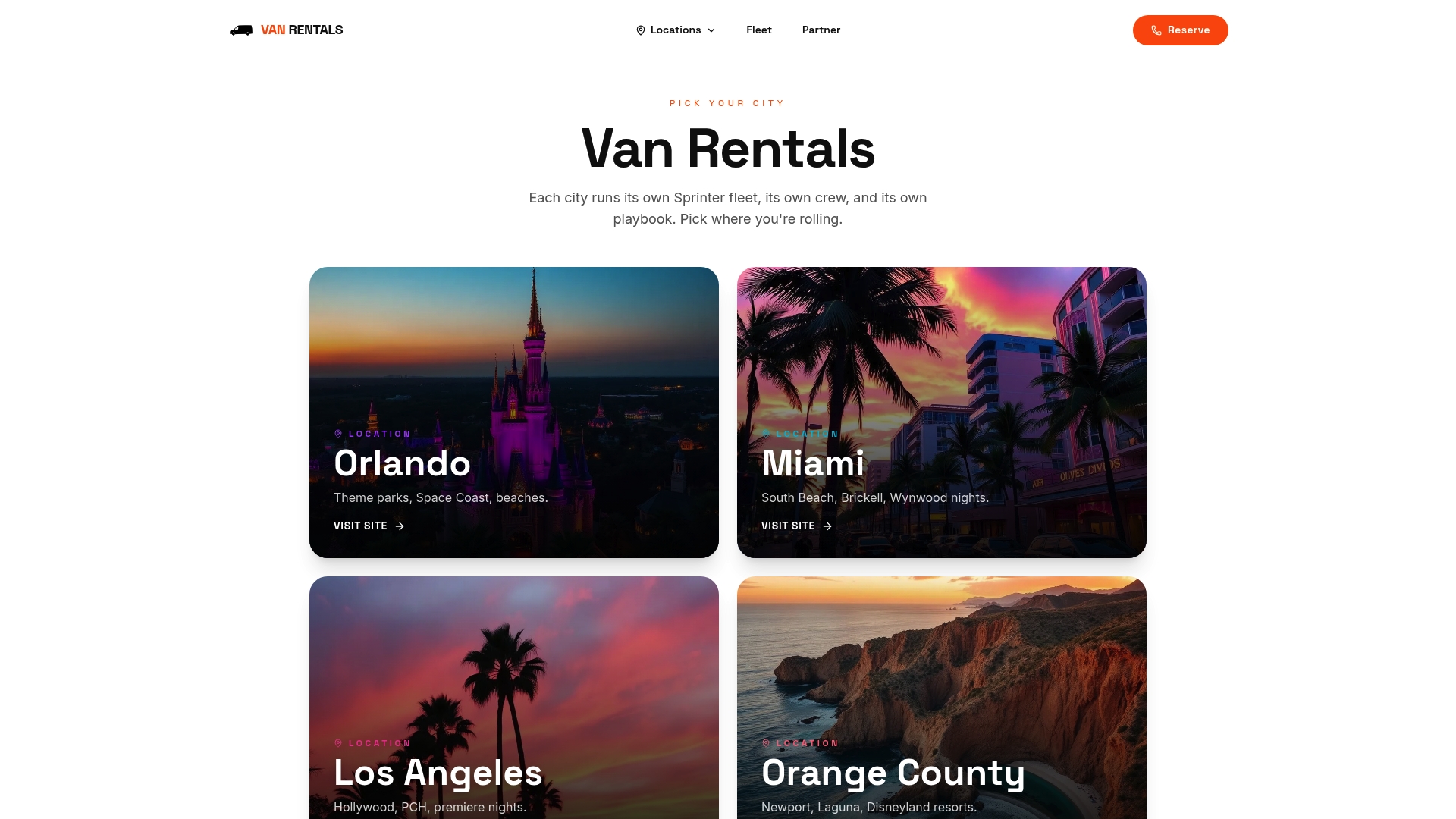
Booking is straightforward. Select your city, pick your van type, and confirm your dates. City pages for locations like Enterprise, NV and Hoboken, NJ show real-time fleet options and let you reserve directly.
Before you confirm, check:
- Vehicle type (cargo vs. passenger vs. Sprinter)
- Seat count and seat belt confirmation
- Insurance requirements for your group size
- Mileage caps and fuel policy
- Airport or hotel pickup availability
For church groups, school trips, and event organizers, Myvanrentals also offers dedicated group transport options that can help coordinate your conference or event travel needs efficiently.
Reserve your van at Myvanrentals and confirm availability for your city and dates today.
Useful sources
- 2026 Ford Transit Fleet Van Overview, Ford Pro
- 2025 Ford Transit Cargo Van Model Details & Specs, Ford.com
- 2026 Ram ProMaster Cargo Van, Ram Trucks
- Ford Commercial Trucks, Ford.com
- Myvanrentals fleet and city pages
This article provides general vehicle and rental information. Insurance requirements, GVWR thresholds, and commercial vehicle regulations vary by state and policy. Confirm current rules with your insurer or a qualified professional before booking or purchasing.
FAQ
What are large white vans called?
Full-size white vans are commonly called cargo vans, panel vans, or passenger vans depending on their configuration. Specific models include the Ford Transit, Mercedes-Benz Sprinter, Ram ProMaster, and Chevrolet Express.
What does “white van” mean?
“White van” is shorthand for a full-size commercial van used for deliveries, removals, or group transport. White is the factory default for most commercial fleets because it is the easiest base for vinyl decals and branding.
How much does a big white van cost?
New full-size cargo vans start below $40,000 for base trims (Ram ProMaster, Ford Transit, Chevrolet Express); the Mercedes-Benz Sprinter typically starts above $45,000. Daily rental rates in the U.S. run roughly $80–$200 depending on size and location.
What is the biggest size van available?
The Ram ProMaster in its largest high-roof long-wheelbase configuration offers up to 524 cubic feet of cargo space, the highest published figure in the full-size van class. The Ford Transit high-roof extended wheelbase reaches approximately 487 cubic feet.
Where can you rent a big white van in the U.S.?
Myvanrentals offers 12- and 15-passenger vans, Sprinters, and Ford Transits in cities across the U.S., with city-specific teams and online booking available at myvanrentals.com.