How Attraction Access Works with Van Rentals
How Attraction Access Works with Van Rentals
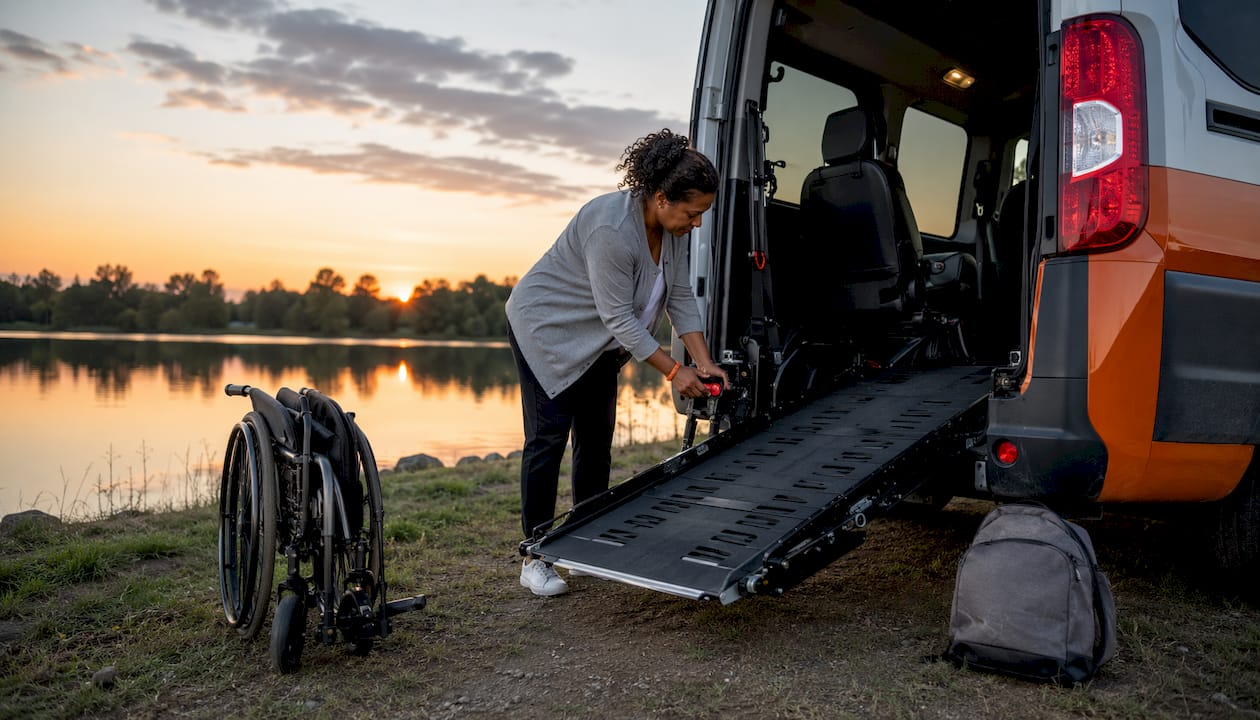
Attraction access with van rentals means coordinating a wheelchair-accessible vehicle with the specific entry points, parking areas, and routes at each destination you plan to visit. It is not just about having a ramp on the van. You also need to confirm that the attraction itself has step-free entrances, accessible parking, and working elevators before you arrive. Getting both sides right is what makes the trip work.
Accessible van rentals in the US typically cost between $100 and $200 per day depending on location, vehicle type, and rental duration. These are specialized vehicles with limited availability, so planning ahead is not optional.

How attraction access works in van rentals
Attraction access in the context of van rentals covers two connected tasks: securing a vehicle fitted to your mobility device, and verifying that each destination on your itinerary can actually receive you. Neither task alone is enough.
Key elements you need to understand upfront:
- Wheelchair-accessible van features: Ramps or lifts (side-entry or rear-entry), four-point tie-down systems, lowered floors, and interior height and width clearances compatible with your mobility device.
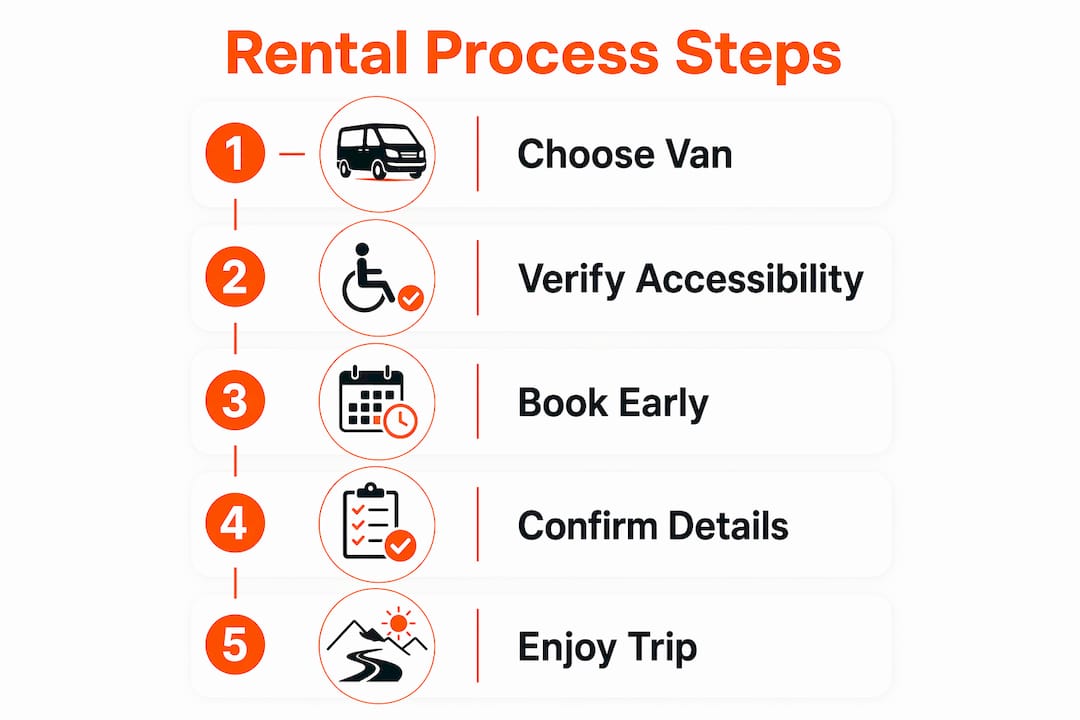
- Booking requirements: Accessible vans require advance reservations, often weeks or months ahead, especially during peak travel periods or in cities with smaller fleets.
- Surrogate driver policy: You do not need to drive yourself. A licensed companion or caregiver can operate the van on your behalf, provided they are listed on the rental agreement and carry valid insurance.
- Attraction-side verification: Accessible parking, designated entrances, elevator coverage, and route conditions at each destination must be confirmed separately from the van booking.
- Insurance basics: Drivers must carry minimum collision and comprehensive auto insurance. Rental companies also offer supplemental coverage for added protection.
What to verify when renting a wheelchair-accessible van
Choosing the right van requires more than checking a box labeled “accessible.” The details of the vehicle determine whether it actually fits your needs.
- Entry system type: Side-entry vans allow you to position near the driver, which works well for one-on-one travel. Rear-entry vans offer more flexible seating for groups and require less clearance beside the vehicle when deploying the ramp.
- Interior dimensions: Measure your mobility device’s height and width, then compare those figures to the van’s interior clearance at the entry point and within the lowered floor area.
- Tie-down system: Confirm the van has a four-point tie-down system in good working order. Ask whether the straps are retractable or fixed, and whether a lap and shoulder belt is included for the wheelchair passenger.
- Surrogate driver documentation: The driver must present a valid license at pickup, be listed on the rental agreement, and carry proof of insurance. Inform the rental company about the surrogate driver when you book, not when you arrive.
- Early booking: Accessible vehicles have limited availability. Booking a few weeks ahead is recommended; for peak dates or smaller cities, earlier booking is advisable.
- Pre-departure walkthrough: Inspect ramps, lifts, and tie-downs with the rental agent before leaving the lot. Note any existing damage on the contract and photograph it.
Pro Tip: Write a checklist of non-negotiable van features specific to your mobility device, including exact height and width requirements, and confirm each item verbally with the rental agent before finalizing the booking.
Legal requirements for accessible van rentals in the US include minimum driver age (typically 21), valid US driver’s license, and proof of insurance. Many rental companies also offer supplemental coverage options if your personal policy does not extend to specialty vehicles.
How to plan your trip around attraction accessibility
Attraction accessibility varies widely, and a label like “wheelchair accessible” rarely tells you enough. The better question, as the UN’s disability issues guidance frames it, is "accessible for whom and by which route?" Break each destination into parts you can verify separately.
- Approach and arrival: Confirm accessible parking locations and drop-off points before you leave. Some accessible entrances are on side streets or through staff-managed gates, not the main entrance.
- Entrance and circulation: Check whether elevators reach all areas you want to visit. Partial elevator coverage is common. An elevator may serve the main floor but not a rooftop terrace or temporary exhibition.
- Route surface conditions: Outdoor sites can be step-free at the entrance and still difficult due to gravel, steep gradients, or heavy doors along the route.
- Disability access programs: Major attractions like Walt Disney World Resort and Universal Orlando Resort offer programs such as Disability Access Service and Attraction Queue Re-Entry to support guests who cannot wait in standard queues. Research these before your visit and register in advance where required.
- Companion coordination: Plan transitions from the van to the attraction with your companions or caregivers. Identify who handles the ramp, who manages the tie-downs on return, and who contacts staff if you need assistance at the entrance.
- Restrooms: Confirm accessible restrooms are available on the same level as your main visit route, not only in a separate area requiring staff access.
Pro Tip: Within two to three days of your visit, re-confirm elevator availability, entrance routes, and any temporary closures. Elevators go out of service and accessible entrances can be affected by maintenance or events.
Using a city exploration checklist for each destination helps you avoid arriving at an attraction only to find the accessible entrance is on the opposite side of the building.
Why local van rental expertise improves attraction access
Local knowledge changes how the whole trip runs. A city-specific team understands which parking structures near popular attractions actually accommodate accessible vans, which drop-off zones work for ramp deployment, and how traffic patterns affect arrival timing.
- Routing and timing: Local providers familiar with cities like Orlando, Miami, and Los Angeles can recommend routes that avoid low-clearance garages or congested drop-off areas near theme parks.
- Group capacity planning: For group van travel, local teams help match vehicle size to passenger count while accounting for wheelchair space and luggage.
- Driver and paperwork support: Local specialists assist with verifying surrogate driver documentation and confirming that all rental paperwork is complete before pickup day.
- Handling unexpected issues: When an accessible entrance is temporarily closed or a parking area is full, a team with local knowledge can suggest an alternative quickly. That kind of on-the-ground support is difficult to get from a national call center.
Myvanrentals operates city-specific fleets managed by local teams across major US cities, which means routing recommendations and attraction coordination come from people who know the area, not a generic database.
Best practices for maximizing attraction access with van rentals
- Book your accessible van early and communicate your exact mobility device specifications at the time of reservation.
- Confirm all van features and run a full pre-departure inspection with the rental agent before driving off the lot.
- Research each attraction’s specific accessibility routes and services, including disability access programs, at least one to two weeks before travel.
- Coordinate with your surrogate driver or companions on roles and responsibilities for each transition point.
- Use a local van rental service with city-specific knowledge to handle routing, timing, and any last-minute logistical adjustments.
Myvanrentals makes group and accessible van travel straightforward
Planning accessible group travel across a city takes real coordination. Myvanrentals offers van rentals managed by local teams in cities including Orlando, Miami, and Los Angeles, with fleets sized for groups and knowledge of the routes and attractions that matter most to travelers.
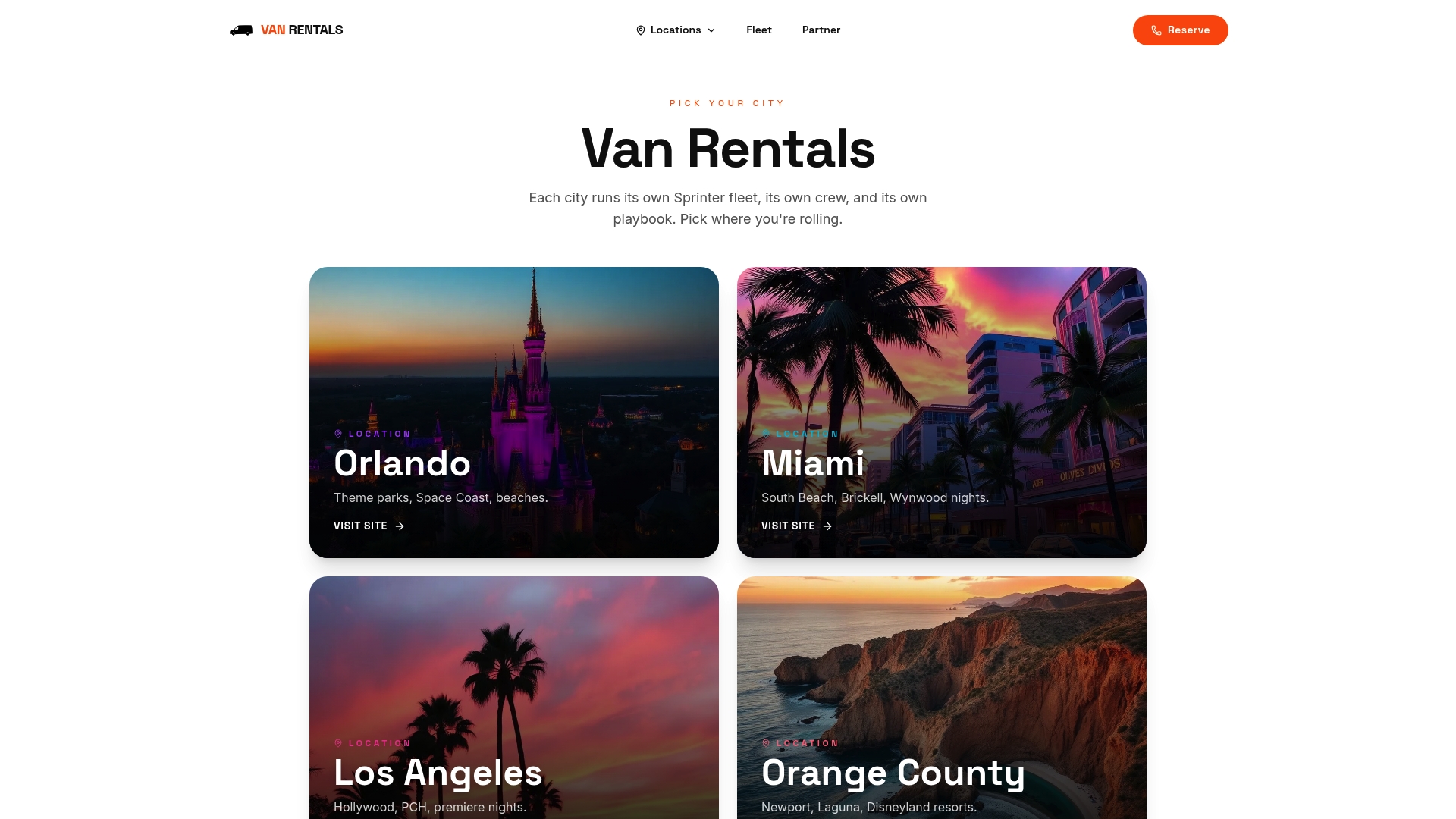
Whether you are visiting theme parks near Lake Buena Vista, exploring attractions in Los Angeles, or coordinating a group trip across multiple stops, Myvanrentals connects you with the right vehicle and local support for the trip. Visit myvanrentals.com to check availability and book your van for your next city trip.
FAQ
How far in advance should you book an accessible van rental?
Book several weeks ahead, with earlier planning recommended for peak travel periods or cities with smaller accessible vehicle fleets.
Can a non-disabled person drive a wheelchair-accessible rental van?
Yes. A surrogate driver with a valid license can operate the van, provided they are listed on the rental agreement and carry the required insurance.
How much does an accessible van rental cost per day in the US?
Accessible van rentals in the US typically cost $100–$200 per day, depending on location, vehicle type, and rental duration.
What should you check at an attraction before arriving?
Confirm the accessible entrance location, parking availability for vans, elevator coverage across all areas you plan to visit, and any disability access programs that require advance registration.
Does Myvanrentals offer vans for group trips to attractions?
Yes. Myvanrentals provides city-specific van fleets managed by local teams in major US cities, suited for group travel to theme parks, beaches, and other attractions.
Key Takeaways
Attraction access with van rentals requires matching the right vehicle features to your mobility device and verifying each destination’s accessible routes, parking, and entry points before you travel.
| Point | Details |
|---|---|
| Accessible van cost | $100–$200 per day, depending on location, vehicle type, and duration. |
| Book early | Accessible vans have limited availability; book at least 2–4 weeks ahead, more for peak dates. |
| Surrogate drivers allowed | A licensed companion can drive the van if listed on the rental agreement with valid insurance. |
| Verify attractions separately | Confirm accessible parking, entrances, elevator coverage, and disability programs at each destination. |
| Myvanrentals local expertise | Myvanrentals provides city-specific fleets and local team knowledge across major US cities for group and accessible travel. |