What Leather Interior Means on a Van Rental Listing
What Leather Interior Means on a Van Rental Listing
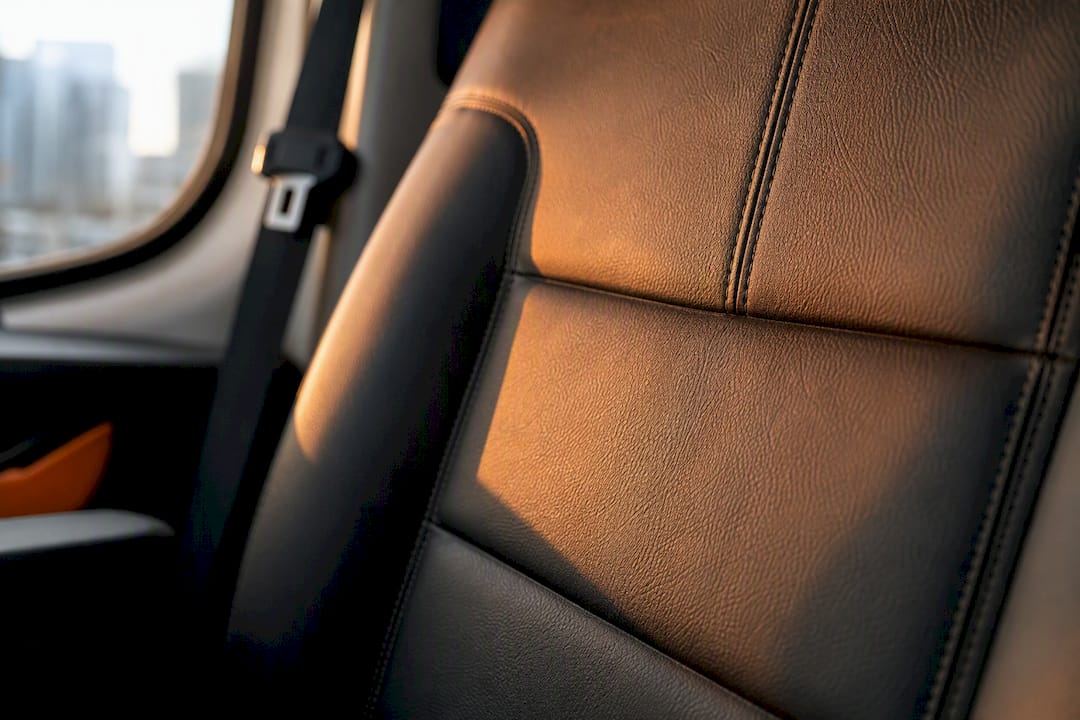
A “leather interior” on a van rental listing usually means the seat surfaces, and sometimes the door panels or steering wheel, are covered in leather or a leather-look material instead of cloth. It rarely means every inch of the cabin is real hide. On most listings you’ll see one of three claims:
- Full leather seats: the seating surfaces are genuine leather, though side panels and headrests may still be a synthetic match.
- Leather-trim or “leatherette”: a mix, often leather on the parts you touch most and a synthetic or vinyl elsewhere.
- Synthetic/vinyl alternatives: leather-look material with none of the actual hide, marketed as a lower-cost upgrade from cloth.
That distinction affects comfort in extreme temperatures, how easy the van is to clean after a long trip, and whether the rental company treats it as a premium feature with its own price or damage rules.
Key Takeaways
Leather interior on a van rental almost always signals a premium vehicle class rather than a stand-alone add-on, and confirming the exact material at pickup matters more than trusting the listing photo.
| Point | Details |
|---|---|
| Definition varies | “Leather interior” can mean full leather seats, leather-trim, or synthetic leatherette depending on the listing. |
| Cleanability wins for events | Leather wipes clean fast, making it a strong pick for spill-prone group and event transport. |
| Climate is the real tradeoff | Leather retains heat and cold more than cloth, which matters most on long trips. |
| Price is bundled | Leather usually rides inside a premium vehicle class rather than showing up as its own fee. |
| Myvanrentals offers both | Myvanrentals lists standard and premium vans, including Sprinter Executive and Metris models, across multiple cities. |
Table of Contents
- What Does Leather Interior Van Rental Mean in Practice?
- Types of Leather You’ll See in Rental Vans
- Why Renters Choose Leather Interiors
- The Downsides of Booking a Leather-Interior Van
- How Rental Companies List and Charge for Leather
- How to Choose Between Leather and Cloth for Your Trip
- Sources
- FAQ
What Does Leather Interior Van Rental Mean in Practice?
Rental companies rarely spell out every material detail, so the phrase does a lot of work on a listing page. Automotive references define leather seats as upholstery made from tanned, treated animal hides, and that treatment process is exactly why leather quality varies so much between vehicles. A van described as having “leather seats” usually means the seat faces and bolsters, the parts your body actually contacts, carry that material. Door panels, armrests, and the steering wheel may or may not match.
Watch for these common listing phrases:
- “Leather seats” typically means genuine leather on the main seating surfaces.
- “Leather-trim” usually signals a partial application, leather in high-contact zones with a synthetic fill elsewhere.
- “Leatherette” almost always means synthetic material only, no animal hide involved.
- “Premium interior” is vaguer still and can bundle leather with unrelated upgrades like better sound systems or climate controls.
Mixed interiors (leather on the front captain’s chairs, cloth on rear bench seating) are common in larger passenger vans and worth confirming before you book.
Types of Leather You’ll See in Rental Vans
Not all leather is created equal, and knowing the difference helps you judge whether the upgrade is worth it. Full-grain leather uses the top layer of the hide with minimal processing, so it shows natural texture and wears in over time. Top-grain and corrected-grain leather get sanded and treated for a more uniform, stain-resistant finish, common in fleet vehicles because it holds up to heavy use. Aniline and semi-aniline leathers are dyed with minimal surface coating, softer to the touch but more prone to staining. PU leather and vinyl/leatherette are synthetic substitutes that mimic the look without any animal hide.
At pickup, a few quick checks tell you what you’re actually sitting on:
- Genuine leather has slight texture variation and a faint natural smell; synthetic material feels uniform and often smells like plastic.
- Real leather stitching tends to show slight puckering; synthetic panels are usually seamless.
- Check the vehicle’s own materials listing if the rental company provides one.
Some vendors market leather-trim seating as a luxury feature even when only the front row is genuine leather, so read the description closely rather than assuming from photos alone.
Why Renters Choose Leather Interiors
Leather earns its reputation as an upgrade for practical reasons, not just looks. It wipes clean far faster than cloth, which matters when you’re hauling coolers, kids, or catering trays for an event. Suppliers of group transport vehicles lean on that cleanability angle constantly, pairing leather with the promise of a premium, comfortable ride for passengers.
Common reasons renters pick it:
- Easy cleanup: spills wipe off instead of soaking in, useful for road trips and airport runs with luggage.
- Perceived comfort and status: it reads as more polished for business travel or event shuttles.
- Durability under heavy use: genuine leather in premium vehicle classes can outlast cloth across repeated bookings.
- Group-friendly: works well for executive transport, wedding shuttles, and airport transfers where appearance matters.
The Downsides of Booking a Leather-Interior Van
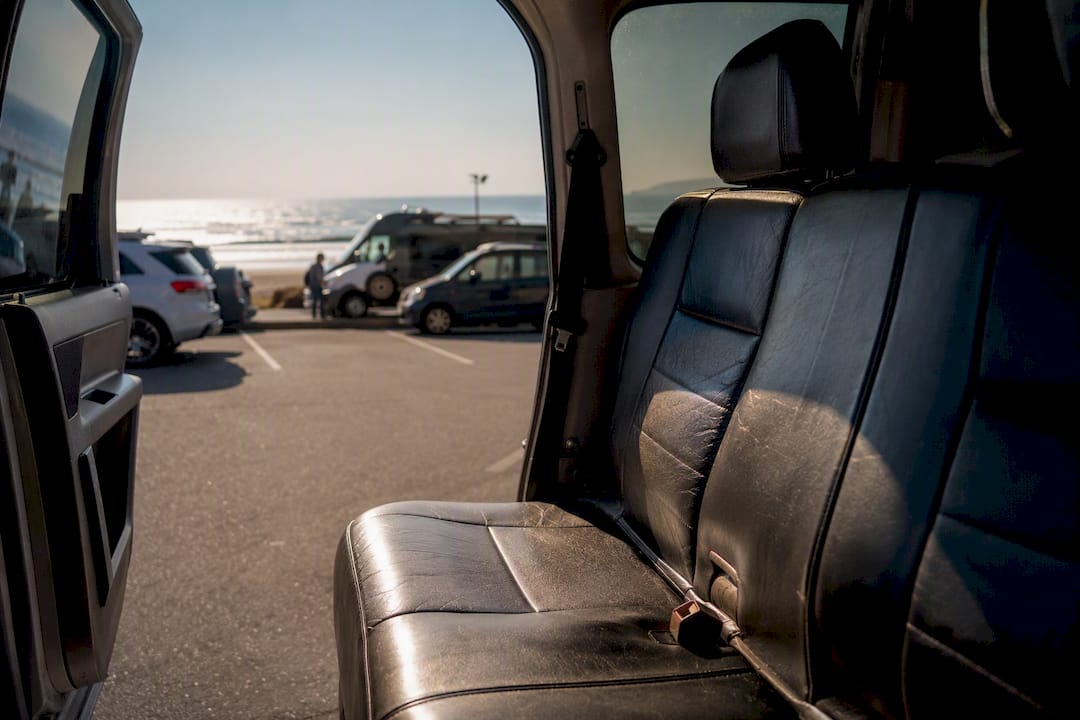
Leather isn’t a universal upgrade, and the tradeoffs matter more on longer trips. It absorbs heat, so a van parked in direct sun can feel uncomfortably hot until the AC catches up, and it turns cold fast in winter. Cracking and fading happen over time with sun exposure and heavy use, and once leather stains, it’s harder to fully restore than cloth.
Pro Tip: If you’re booking for a summer trip, ask whether the van has been parked outdoors and request a few minutes of pre-cooling before pickup.
Cost is the other consideration. Genuine leather in premium rental classes tends to signal a higher-tier vehicle overall, not a simple add-on fee, so you’re often paying for the whole class upgrade rather than the seats alone. Synthetic alternatives are easier to maintain and resist staining better, but they can look and feel less refined, especially after a few seasons of use.
How Rental Companies List and Charge for Leather
Leather almost never shows up as its own line-item charge. Instead, it gets folded into a vehicle’s overall class or trim level, meaning “premium” or “executive” vans carry a higher daily rate that reflects leather along with other upgrades like tinted windows or upgraded climate control. That’s consistent with how rental car sizing guides describe premium vehicle tiers generally: amenities bundle into the price bracket rather than appearing as add-ons.
Here’s how that typically plays out during booking:
- Filtering: some platforms let you filter by “premium” or “executive” class, which usually implies leather without stating it outright.
- Class comparison: standard vans list cloth as the default; anything above that tier often includes leather or leather-trim seating.
- Damage and cleaning terms: leather interiors can trigger different inspection standards at return, since stains and cracking are treated as more visible damage than a cloth mark.
Pro Tip: Take timestamped photos of the seats at pickup, and ask directly whether there’s a cleaning fee threshold for leather versus cloth. That single question can save a dispute later.
How to Choose Between Leather and Cloth for Your Trip
Match the interior to the actual trip, not the upgrade badge. Run through this checklist before you commit:
- How long is the trip? Short transfers make heat and cold sensitivity a non-issue; multi-day trips make climate matter more.
- Who’s riding? Kids with snacks and sticky hands argue for cloth or vinyl; adults in business attire argue for leather.
- What’s the spill risk? Event shuttles serving drinks or food lean toward leather’s wipeable surface.
- What’s the climate? Very hot destinations make dark leather uncomfortable without strong AC.
- What’s the budget? Leather often means booking a higher vehicle class overall, not a small surcharge.
Before booking, ask the rental company:
- Is this genuine leather or a synthetic leather-trim?
- Is there a specific cleaning fee threshold for stains?
- Can I see current photos of this exact van’s interior?
Cloth wins for family trips with young kids or scorching summer routes. Leather earns its keep for executive groups, wedding parties, and any short-term booking where comfort and appearance matter more than long-haul climate exposure.
How My Van Rentals Handles Leather and Premium Interiors
Myvanrentals lists premium vehicles like the Mercedes Sprinter Executive and Mercedes Metris across multiple cities, giving renters a real choice between standard cloth vans and upgraded interiors depending on the trip. Local teams manage each city’s fleet directly, which means condition checks at pickup are handled by people who actually know the vehicles, not a call center reading from a script.
At a high level, here’s what renters can expect:
- Condition documentation at pickup, so both sides have a clear record before the trip starts.
- Cleaning and damage terms disclosed upfront rather than buried in fine print.
- Optional add-ons available for renters who want extra coverage on a premium vehicle.
Executive-class examples like the Sprinter Executive in Las Vegas and the Metris 8-passenger in Los Angeles show how premium interiors get paired with group-friendly capacity.
When Leather Is Actually Worth the Upgrade
Families hauling car seats and snacks are usually better off in cloth. Corporate groups and event shuttles, where the van reflects on the client or the occasion, get real value from leather’s polished look and easy cleanup. The one thing renters consistently underestimate: leather’s heat retention on a long summer drive can outweigh its style points, so if you’re booking for a multi-hour trip through a hot climate, ask about tinted windows or stronger AC before you assume leather is the better call.
Book a Leather-Interior Van in Minutes
Comparing cloth against leather is easier when you can actually see what each city’s fleet offers instead of guessing from a generic listing. Myvanrentals lets you browse city-specific vans, including premium options like the Metris 8-passenger in Orlando, so you know exactly what interior you’re booking before you pay. Group organizers running school trips or church events can compare standard and executive trims side by side rather than calling around to ask. Pick your city, filter by vehicle class, and check the interior details listed on each van’s page before you reserve.
Sources
- What Are Leather Seats?
- Rental car sizes: find the perfect car for your trip - KAYAK
- Leather Seats Bus Rental Dubai - Royal Rider
FAQ
What Are the Downsides of Leather Van Seats?
Leather can feel hot in summer and cold in winter, stains more visibly than some cloth, and may crack over time with heavy sun exposure or repeated use.
What Counts as a Premium or Luxury Interior in Van Rentals?
Premium or “executive” interiors typically bundle leather or leather-trim seating with upgrades like tinted windows and enhanced climate control, priced as a vehicle class rather than an itemized fee.
Is Leather or Cloth Better for a Rental Van?
It depends on the trip: leather suits short business or event transport where cleanup and appearance matter, while cloth suits family trips with kids or long drives through hot climates.
Which Van Rental Models Come With Real Leather Interiors?
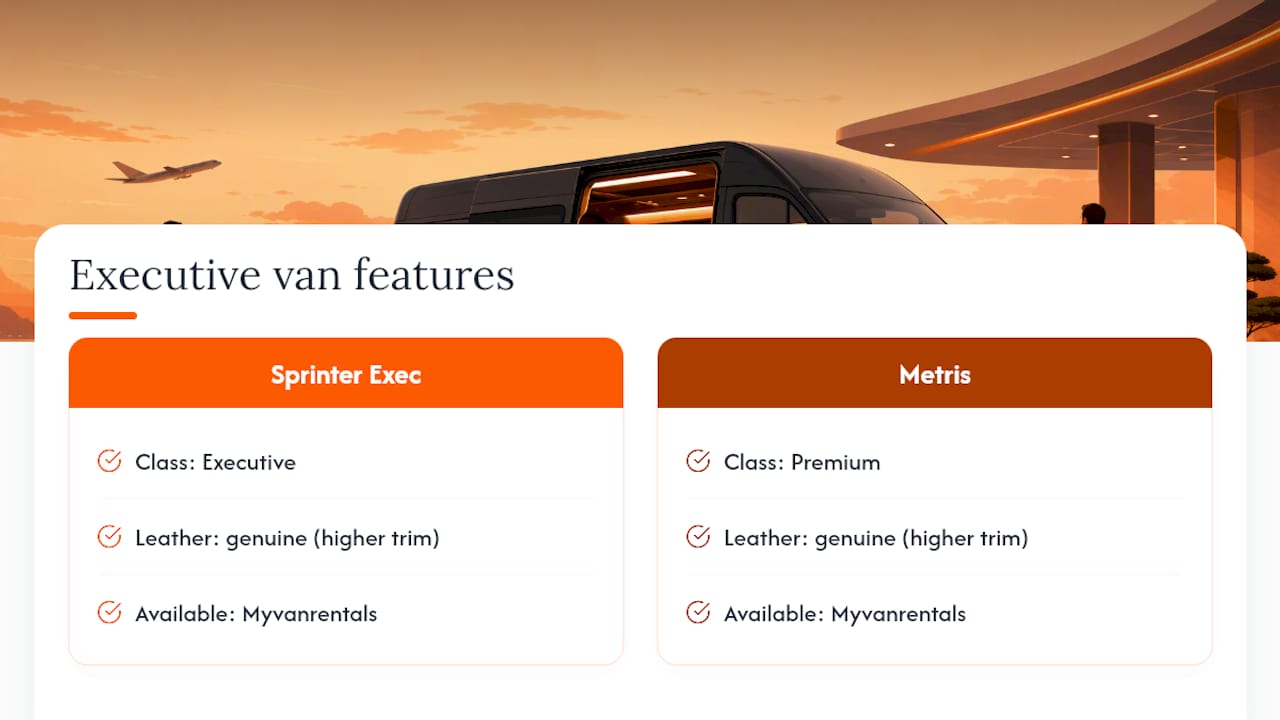
Executive and premium-class vans, such as the Mercedes Sprinter Executive and Mercedes Metris available through Myvanrentals, commonly include genuine leather seating as part of their higher trim level.
Is a Leather Interior Worth the Extra Cost on a Rental Van?
For groups prioritizing comfort, easy cleanup, and a polished look, leather is often worth it. For long trips through hot climates or families with young kids, cloth is usually the more practical and lower-risk choice.