Employee Shuttle Vans: How to Set Up and Run a Program

Employee Shuttle Vans: How to Set Up and Run a Program
An employee shuttle van is a 12 or 15 passenger van that moves your staff between a set pickup point and the worksite on a regular schedule. It works best when parking is tight, transit is far from your door, or a group of employees lives in the same area. You can rent the vans, run the program yourself, and start with one route.
This guide covers when a shuttle makes sense, how to size routes and vans, what it costs, and which US safety rules apply.
TL;DR
- A shuttle van fits worksites with limited or costly parking, or with transit stops too far to walk.
- Survey your staff first. Map where they live. Start with one route of no more than three stops each way.
- Costs depend on whether you buy or lease, how much you subsidize riders, and van size. Insurance, fuel, maintenance and backup vehicles belong in the budget.
- A 15 passenger van needs an experienced, licensed driver and a strict limit of 15 people, driver included.
- Renting lets you test a route before you commit to buying anything.
Table of Contents
- What an employee shuttle van is
- When a shuttle van makes sense
- How to estimate demand and plan stops
- Choosing the right van
- What an employee shuttle program costs
- Safety, insurance and rules in the United States
- Our view: start with a rental pilot
- Renting vans for your shuttle
- A launch checklist
- FAQ
- Sources
What an employee shuttle van is
An employee shuttle van is a company-arranged van that carries workers to and from work. The federal transit agency describes private shuttles as corporate, regional and local shuttles that make limited stops, often picking up only specified riders.
There are two common models:
- Employer shuttle. The company arranges the van and a driver. Employees ride as a benefit.
- Vanpool. A group of seven to 15 people commutes together regularly. According to a federal vanpooling handbook, one person usually drives and maintains the van, while riders split the expenses.
Both use the same vehicles. The difference is who drives, who pays, and who carries the paperwork.
When a shuttle van makes sense
The New Jersey Department of Transportation says successful programs often give clear relief to worksites with limited or expensive parking, or where public transit stops are beyond a reasonable walking distance.
A van is a good fit in these cases:
- Parking is the problem. A campus, hospital, warehouse or plant has more workers than spaces.
- Transit does not reach you. Industrial parks and suburban offices often sit a mile or more from the nearest stop.
- Shifts start at odd hours. Early or late shifts fall outside bus and rail schedules.
- Employees cluster. Many staff live in one neighborhood or along one corridor.
- You need a park-and-ride link. Staff park at a satellite lot, and the van takes them to the door.
A van is a weaker fit when your staff are spread across a whole metro area with no clusters. In that case, start with a survey before you spend anything.
How to estimate demand and plan stops
Do this before you rent a van. The same handbook gives a simple method: survey employees about work hours and interest, then use a density map to locate clusters of employees and potential vanpool routes.
Step by step
- Ask your staff. Collect home ZIP code, shift start and end times, and whether they would ride.
- Map the answers. Put each ZIP code on a map. Look for groups on the same corridor.
- Match shifts. A route only works when riders start and finish at about the same time.
- Pick the stops. Choose safe, well-lit places with room for a van to pull over: a park-and-ride lot, a shopping center, a transit station.
- Test with one route. Run it for a few weeks. Adjust stops and times from rider feedback.
How many riders to plan for
For 12 or 15 passenger vans, the handbook recommends a pool of 5 to 30 potential riders. That range allows for varying schedules and preferences, since not every interested person rides every day. It also suggests no more than three stops each way.
Short routes keep rides under a reasonable length. Fewer stops also keep the schedule steady.
Fixed route or on demand
The federal transit agency defines a fixed-route system as one that runs along a prescribed route on a fixed schedule. For most employers, this is the right start. Riders learn the times, and you know how many vans you need.
The same page defines microtransit as technology-enabled, on-demand service with dynamically generated routing. It can include first-mile and last-mile links to transit. This needs software and more management. Consider it after a fixed route is running well.
If your state has a Transportation Management Association, ask it for help. NJDOT suggests employers work with local TMAs to run needs assessments and handle liability and regulatory questions when they start a shuttle.
Choosing the right van
Capacity and layout decide how well a shuttle works day to day.

12 passenger or 15 passenger
Match the van to your realistic rider count, not your best-case count.
- 12 passenger vans suit smaller groups and give riders more room for bags, lunch coolers and tools. Check our Express 12-passenger van in Washington DC or the Ford Transit Mid Roof 12-passenger in Atlanta for an example of this size.
- 15 passenger vans carry the largest group in one vehicle. The Transit 15-passenger in Minneapolis is one option in this class.
If your routes run near capacity, a second 12 passenger van can be easier to manage than one full 15 passenger van. Also count the driver. Seats for the driver and riders come from the same total.
Features to look for
- Roof height. High and mid roof Ford Transit models give more headroom for getting in and out. Our fleet includes Ford Transit low, mid and high roof options.
- Luggage and gear space. Shift workers often carry bags or equipment.
- Seat access. Look for clear aisles so riders can reach rear seats without stepping over others.
- Safety technology. OSHA advises employers to choose vehicles with strong crash-test performance and features such as lane-departure and collision warnings, rear cameras and adaptive cruise control.
- Climate control. A van that is comfortable in summer and winter keeps riders on the shuttle.
For executive staff or visiting clients, a Mercedes Sprinter Executive van gives a higher-end ride. Our fleet also lists Mercedes Sprinter vans, Chevrolet Express vans and an 8 passenger minivan for smaller groups.
What an employee shuttle program costs
Total cost depends on the program type, whether vans are bought or leased, the amount of employee subsidy, and vehicle size, according to the vanpooling handbook. It lists capital costs, administrative costs, and operating costs: maintenance, insurance, gas and backup vehicles.
Employers have three main options:
| Option | What you do | Best when |
|---|---|---|
| Buy vans | Own the vans and run the program | You have a long-term, stable route and a fleet team |
| Lease or rent vans | Pay for use and handle all or part of the program | You want to test routes or need flexibility |
| Support employee-run vans | Help staff lease or own vans themselves | Employees want to self-manage |
The handbook describes all three: employers can buy vans and administer the program, lease vans and administer all or part of it, or support employee-leased or owner-operated vans.
Budget lines to include
- Van rental or lease payment
- Driver wages or a driver stipend
- Fuel
- Insurance
- Mileage overage
- Backup van for breakdowns or repairs
- Admin time for scheduling and rider sign-up
- Any rider subsidy
Mileage on a rental
Long routes add up. On our fleet page we list an extra mile fee for each vehicle class. It is $0.50 per extra mile for the Ford Transit (Low Roof) and the Med Roof Ford Transit. It is $0.75 per extra mile for the Mercedes Sprinter and the 8 passenger minivan. Estimate your daily route miles before you pick a van, then check the fleet page for the terms on your vehicle.
We do not publish a flat daily rate for the vans. Pricing shows live when you search your dates and city.
Selling the program internally
The Michigan Reliable Rides playbook advises employers to tie incentives to business outcomes such as reduced absenteeism and turnover to win leadership buy-in. Track late arrivals, missed shifts and parking complaints before the pilot. Then compare after.
Safety, insurance and rules in the United States
Rules depend on van size, how it is used, and whether the trip crosses state lines. Confirm your own situation with your insurer, your state transportation agency and, if needed, an attorney.
Federal rules for interstate trips
For interstate employer transportation, FMCSA requirements depend on vehicle size, passenger capacity and whether the operation is for hire. The agency explains that for-hire interstate passenger transportation generally needs operating authority and financial responsibility, and that exemptions apply to some employer-operated vehicles.
The same page says an employer carrying employees interstate in a vehicle designed and used for 15 or fewer passengers, including the driver, with a gross vehicle weight and rating under 10,001 pounds and no placard-required hazardous materials, does not need a CDL driver or FMCSA drug and alcohol testing. Most shuttles run within one metro area, but if yours crosses a state line, read that page first.

Driving a 15 passenger van
NHTSA advises that 15 passenger vans should only be operated by experienced, licensed drivers, and that occupancy should never exceed 15 people. Its safety recommendations also include:
- Everyone wears a seat belt.
- Tire pressure is checked and kept correct.
- Cargo is loaded forward of the rear axle.
Build these into your rider rules. Post them in the van and review them with each driver.
Driver conduct matters as much as the vehicle. Habits like punctual arrival, calm driving and courteous handling of passengers shape how riders feel about the shuttle. A short read on chauffeur etiquette habits can help you write a driver guide.
OSHA also advises employers to maintain and inspect company vehicles routinely. A simple daily walk-around checklist covers tires, lights, mirrors, brakes and seat belts.
Accessibility
Employee-only transportation is generally not classed as a public accommodation or specified public transportation under the ADA, but it may be covered under Title I as a term, condition or benefit of employment. If an employee with a disability cannot use your van, talk to HR about a reasonable accommodation. Options include a different vehicle on that route or an alternate ride.
The ADA also sets rules for private entities primarily engaged in transporting people. Among them, new vehicles must be readily accessible, with small vans seating fewer than eight excluded. That rule is aimed at transportation businesses. Ask your counsel how it applies to your program.
Insurance
Do not assume your company auto policy covers a rented passenger van carrying staff. Ask your insurer in writing. We offer Renter’s Contingent Liability Insurance for renters who want added liability protection. Read the terms and compare them with your own coverage before you book.
Our view: start with a rental pilot
We see the same pattern with many group customers. An employer has a real commute problem but is not sure how many people will ride. Buying vans before you know that is the costly mistake.
Our advice is simple. Survey your staff. Pick one route with no more than three stops. Rent a 12 or 15 passenger van for a trial period. Watch ridership for a few weeks.
Renting lets you change the van size, swap a model, or end the pilot without selling a vehicle. We list Ford Transit, Mercedes Sprinter and Chevrolet Express vans in cities across the country, and we can deliver to a hotel, venue or worksite. Our listings show live pricing, and we aim for no surprise charges at pickup.
If your company bills on purchase orders or is tax-exempt, ask us about our billing programs. We built them for churches and schools, and they suit organizations that need the same paperwork.
Gabriel
Renting vans for your shuttle
We rent 12 and 15 passenger vans for daily, weekly and monthly use, so you can match the term to your pilot. Pick the van class, add your route miles to your budget, and confirm the pickup location. For a longer look at group transport planning, read our guide on why vans beat coaches for corporate groups under 60.
Ready to compare vans for your route? Start on the My Van Rentals home page and search your city and dates.
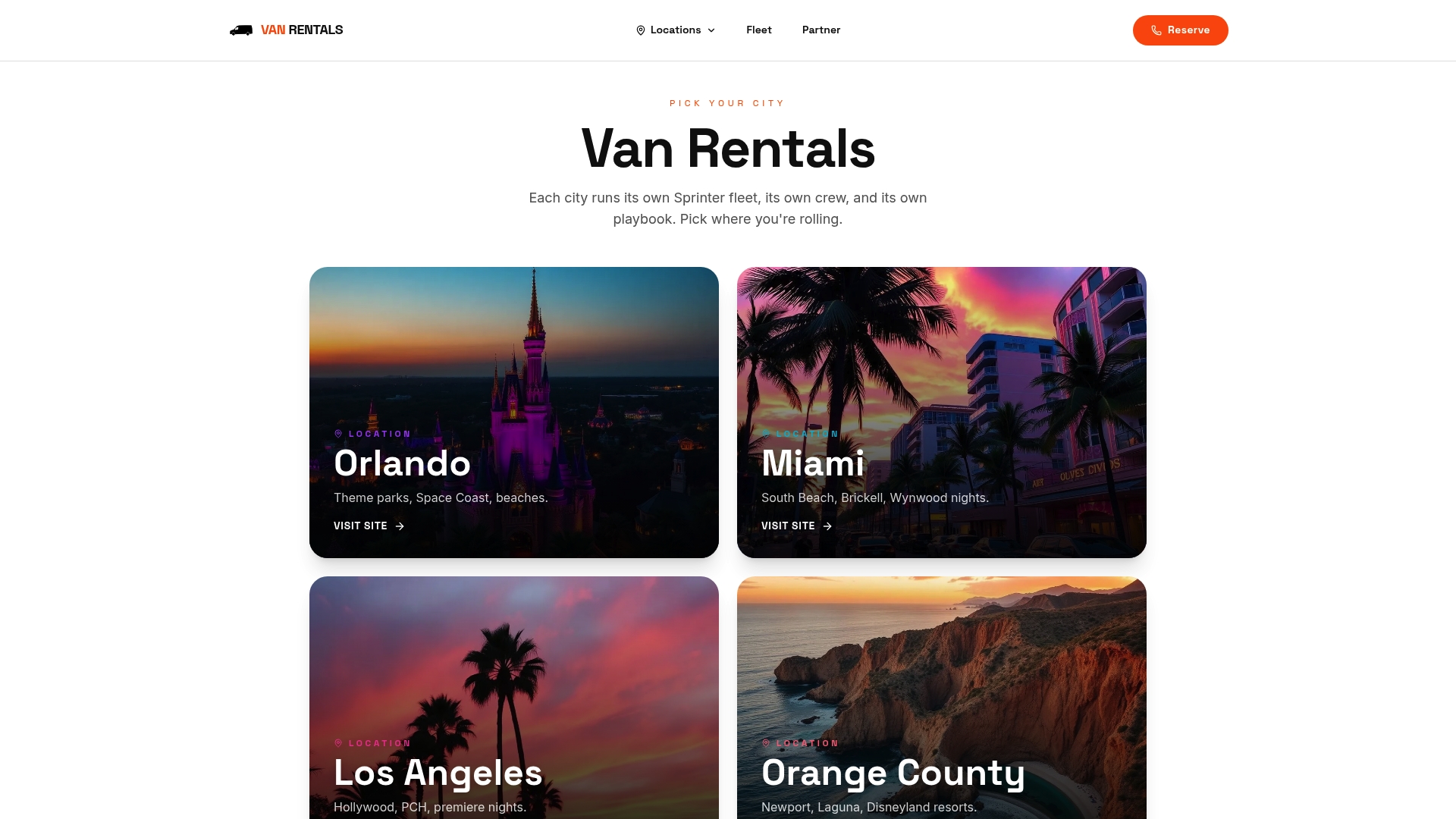
City examples to explore:
- Express 15-passenger in Seattle
- Express 15-passenger in New York City
- Ford Transit Low Roof 15-passenger in Orange County
- Transit 15-passenger in Greensboro
A launch checklist
- Survey staff on home area, shifts and interest.
- Map clusters and choose one corridor.
- Set no more than three stops each way.
- Choose a 12 or 15 passenger van based on realistic ridership.
- Name a driver who is experienced and licensed. Review the NHTSA safety points with them.
- Confirm insurance with your carrier in writing.
- Estimate daily miles and add any extra mile fees.
- Publish the schedule and rider rules.
- Review ridership, late arrivals and feedback after a few weeks.
- Adjust the route, or add a second van.
FAQ
How many employees can ride in a shuttle van?
A 15 passenger van carries up to 15 people, driver included, and NHTSA says occupancy should never exceed that. A 12 passenger van carries up to 12. Plan your route around the number who will actually ride, not the number of seats.
Do I need a CDL to drive an employee shuttle van?
For interstate employee transportation, FMCSA says an employer using a vehicle for 15 or fewer passengers, including the driver, under 10,001 pounds and with no placard-required hazardous materials need not use a CDL driver. State rules and your own use can differ. Check with your state agency and insurer.
Is it better to rent or buy shuttle vans?
Renting suits a pilot or a changing route because you can change the van or end the term. Buying can make sense once a route is stable and you have staff to maintain the vehicle. Many employers rent first, then decide.
How many riders do I need to start a route?
For 12 and 15 passenger vanpools, the federal handbook recommends a pool of 5 to 30 potential riders, since not everyone rides every day. Survey first and count only the people who confirm interest and share a shift.
Sources
- Smart Moves: Employer-sponsored shuttles, NJDOT
- Shared Mobility Definitions, FTA
- Vanpooling: A Handbook to Help You Set Up a Program
- Reliable Rides: Connecting Workers to Jobs, Michigan LEO
- Employer-Related Transportation, FMCSA
- 15-Passenger Vans, NHTSA
- Motor Vehicle Safety for Employers, OSHA
- Transportation for Individuals with Disabilities preamble, FTA
- Americans with Disabilities Act of 1990, As Amended
- 5 Chauffeur Etiquette Habits, Hidden Door Travel